What the book covers
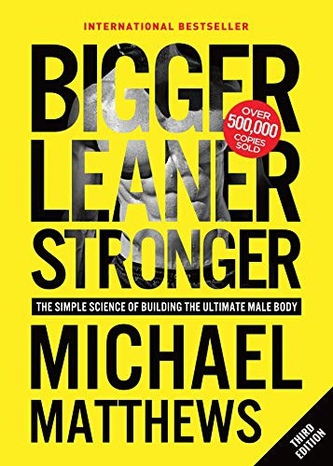
Michael Matthews cuts through the noise in "Bigger Leaner Stronger" with a straightforward, science-backed approach to building muscle and losing fat. The book is structured around three core pillars: progressive resistance training, sensible nutrition, and consistency over complexity.
The first half dives into nutrition science: explaining macronutrients, calorie balance, and meal timing in plain English. Matthews argues that you don't need expensive supplements or obscure protocols; instead, you need adequate protein, a slight calorie surplus for building muscle (or deficit for fat loss), and the discipline to stick with it. He references peer-reviewed research throughout, giving readers the ability to dig deeper if they want.
The second half covers workout programming. Matthews introduces the concept of progressive overload: the idea that you must gradually increase the weight or reps you're lifting to force your muscles to adapt and grow. He provides complete workout plans spanning from complete beginner to advanced lifter, with clear explanations of why each exercise is included and how to perform them safely.
The book also addresses common questions: Do you need a gym membership? (No, but it helps.) How often should you train? (Usually 3-5 days per week for optimal results.) How important are supplements? (Less important than you think.) This no-BS approach is refreshing in an industry drowning in marketing hype.
Who should read this
If you're new to lifting and tired of conflicting advice from Instagram influencers and casual gym-goers, this book is for you. Matthews writes specifically for men who want clarity without condescension.
The book works best for people who respond well to evidence-based information. If you want scientific backing rather than charisma or celebrity endorsement, you'll appreciate the hundreds of citations sprinkled throughout.
That said, if you already have several years of serious training experience, you may find the content too foundational. And if you're a woman, Matthews has written a companion book, "Thinner Leaner Stronger," which applies the same principles to female physiology and fitness goals.
Strengths and weaknesses
The wins here are substantial. Matthews genuinely demystifies the process of body composition change. He explains why calorie surplus leads to muscle gain, why protein matters, and why progressive overload is non-negotiable. For someone overwhelmed by contradictory fitness advice, this single framework is worth the cover price.
The writing is clear and conversational. You don't need a science background to understand the concepts, though the citations reward those who dig deeper. The workout programs are practical and adaptable: you can follow them in a commercial gym, with dumbbells at home, or even with bodyweight if you're creative.
Beyond the physical benefits, there's an undeniable connection between resistance training and mental health. The research is solid: strength training reduces symptoms of depression and anxiety, improves sleep quality, and builds self-efficacy. When you set a strength goal (hitting a new personal record on the bench press, for instance) and achieve it, you internalize a sense of agency and confidence that extends beyond the gym. Your brain registers: "I set a challenging goal, committed to a plan, and succeeded." That's powerful for mental resilience and overall wellbeing.
The weaknesses are minor but worth noting. The workout programming assumes you have some foundational strength. If you've never lifted before, the jump from the beginner program might feel steep in the first few weeks. You might need to scale the weights down further than Matthews suggests.
A few nutritional recommendations feel dated. The book emphasizes meal frequency in a way modern nutrition science has largely moved past: you don't need five small meals a day to maintain muscle or lose fat, though the book doesn't say you must do this either. The core point about total protein and calories holds up perfectly.
Finally, this book is written for men. Female readers will benefit from the training and nutrition principles, but the language, examples, and body composition assumptions are male-focused. If you're a woman, "Thinner Leaner Stronger" is the more thoughtful choice.
Final verdict
"Bigger Leaner Stronger" delivers exactly what it promises: a simple science-backed system for building muscle and losing fat. Michael Matthews respects the reader's intelligence enough to cite his sources and explain the reasoning behind his recommendations. He doesn't overcomplicate; he distills complexity into actionable steps.
For someone starting a fitness journey or stuck in analysis paralysis, this book is a solid investment. It won't make you a bodybuilding expert, but it will arm you with enough knowledge to make smart decisions in the gym and kitchen. The training principles are sound, the nutrition guidance is practical, and the writing avoids both pseudoscience and unnecessary jargon.
If you're willing to commit to the fundamentals (showing up consistently, progressively pushing yourself harder, and eating with purpose), this book gives you everything you need. And as a bonus, that commitment to physical change often radiates outward into greater confidence, resilience, and mental clarity. That's worth more than any supplement could ever deliver.
Recommended for: Beginners and intermediate lifters seeking a science-backed blueprint. Anyone tired of fitness marketing BS. Those ready to stop researching and start implementing.
Skip if: You're already an advanced lifter looking for novel programming. You prefer female-specific guidance (grab "Thinner Leaner Stronger" instead). You're uncomfortable with evidence-based skepticism toward supplement marketing.
Mind Wobble reviews books that connect physical and mental wellbeing. "Bigger Leaner Stronger" earned a 4.0 because it delivers clear, actionable guidance backed by research: exactly what beginners need to succeed.