What This Book Covers
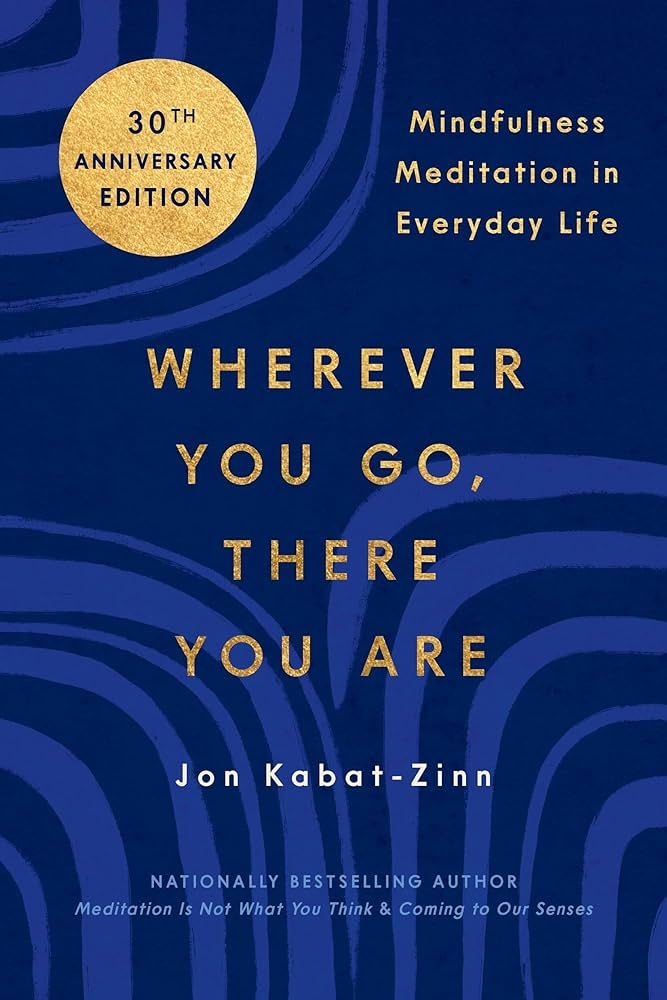
"Wherever You Go, There You Are" is Jon Kabat-Zinn's landmark exploration of mindfulness meditation and its power to transform daily life. Originally published in 1994, this book has become the gateway text for millions discovering meditation and present-moment awareness.
Kabat-Zinn, a professor emeritus of medicine at the University of Massachusetts and founder of the Mindfulness-Based Stress Reduction (MBSR) program, brings both scientific credibility and genuine warmth to the subject. The book is structured around three core movements: understanding what mindfulness is, embodying it through practice, and living it in the real world, at work, in relationships, while parenting, during illness, and in quiet moments of solitude.
You'll find meditation techniques woven throughout: nothing fancy, just practical instructions for paying attention to your breath, your body, and the unfolding moment. Kabat-Zinn also draws on poetry, personal stories, and reflections on how our minds create suffering through distraction and judgment. It's not a step-by-step program so much as an invitation to wake up to your own life.
Who Should Read This
This book is for anyone curious about mindfulness who's tired of the hype and wants something genuine. Whether you're:
- New to meditation: This is the gentlest, most accessible entry point. No religion, no bizarre jargon, no mysticism.
- Anxious, stressed, or overwhelmed: Kabat-Zinn speaks directly to suffering caused by our minds running in circles. Mindfulness offers a real alternative.
- Skeptical about self-help: The scientific backing and Kabat-Zinn's grounded voice make this feel credible, not gimmicky.
- Looking for practical wisdom: You get actual techniques you can use today, paired with perspective on why they matter.
It's equally valuable for people in their 20s discovering meditation for the first time and those in later life reassessing their relationship with time and attention. The book speaks across ages and circumstances because presence itself is universal.
Strengths and Weaknesses
Strengths:
The greatest gift of this book is its warmth. Kabat-Zinn doesn't lecture or mystify. He writes like a teacher who genuinely believes you're capable of waking up to your own life, and that belief comes through on every page. The meditation instructions are clear enough to actually follow, yet flexible enough to adapt to your body, mind, and schedule.
The book brilliantly refuses to promise quick fixes. Kabat-Zinn is honest about the difficulty and the ordinary-ness of practice. There's no "transform your life in 10 days" nonsense. Instead, he offers something far more valuable: a sane, sustainable approach to being present that respects real life: with its pain, boredom, resistance, and complexity.
The breadth is also notable. Early chapters build philosophical and neuroscientific foundations. Later sections address specific contexts: working mindfully, parenting with presence, meditation during physical pain, sitting with difficult emotions. This variety keeps the book grounded in how people actually live.
Weaknesses:
Some readers find the book lacks technical depth. If you want detailed explanations of neuroplasticity, the neuroscience of meditation, or advanced practice progressions, Kabat-Zinn's "Full Catastrophe Living" or other specialized texts might serve you better. This book is deliberately introductory.
The spiritual framing, though secular and non-dogmatic: may not resonate with everyone. Kabat-Zinn references interconnection, the vastness of awareness, and dharma in ways that feel poetic and optional, but could feel vague or wishy-washy to those seeking purely mechanical, evidence-based instruction.
Finally, the book doesn't impose a practice structure. There are no "Do this for 20 minutes daily at 6 AM" prescriptions. This flexibility is a strength for many, but some practitioners thrive on clear protocols and might find themselves uncertain where to start.
Final Verdict
"Wherever You Go, There You Are" remains one of the most important books written about mindfulness, not because it's comprehensive or revolutionary, but because it meets people where they are and shows them that peace isn't somewhere else, waiting to be reached. It's here. Now. Available through attention.
Nearly 30 years on, Kabat-Zinn's voice still feels essential: patient, kind, and fundamentally sane about what mindfulness is and isn't. The book won't overhaul your life in weeks. But if you practice what it teaches (pausing, noticing, breathing), it will shift how you experience being alive.
This is recommended reading for anyone serious about mental health, stress resilience, and simple human flourishing. It's especially valuable if you've felt mindfulness portrayed as complicated, trendy, or unattainable. Kabat-Zinn proves it's none of those things.
Best enjoyed as a slow read, revisiting passages that land, practicing the meditations, letting them settle. This is a book to live with, not just get through.