What the Book Covers
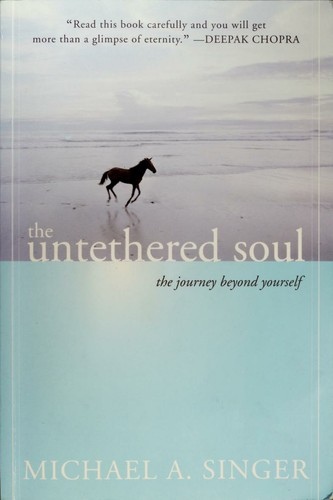
"The Untethered Soul" is Michael A. Singer's invitation to one of the most liberating realizations you can have: that you are not your thoughts. Period.
Singer guides readers through a deceptively simple but profound framework: your mind is constantly generating thoughts, emotions, and stories: many of which create suffering. But you, the conscious witness, exist separately from all of this mental chatter. Once you truly grasp this separation, everything changes.
The book walks through how we accumulate emotional blockages from past experiences, how these create physical tension in the body, and how we can release both through mindfulness and acceptance. Singer draws on meditation traditions, yoga philosophy, and Eastern spirituality, translating these concepts into language that resonates in our modern, Western world.
Rather than offering techniques to fix your thoughts, Singer teaches you to observe them without judgment, and in that simple shift lies the path to inner peace. He explores consciousness itself, the nature of the self, and how we've built elaborate mental constructs that keep us trapped in patterns of anxiety, resentment, and avoidance.
The wisdom here isn't new: it echoes Buddhist philosophy, Advaita Vedanta, and contemporary psychology. What makes this book special is Singer's warmth and clarity. He doesn't preach. He invites you into a conversation about what it means to be human, to suffer, and to be free.
Who Should Read This
This book is a natural fit for anyone who's felt overwhelmed by their own mind. If you recognize yourself in these situations, this is calling your name:
- You're caught in loops of anxious thinking and want to understand why you can't just "stop."
- You've tried positive thinking but still feel stuck beneath a layer of unprocessed pain.
- You're drawn to meditation or mindfulness but haven't found a framework that makes sense to you.
- You're exploring spirituality but want something that feels grounded rather than ethereal.
- You work in therapy and want a complementary lens on consciousness and growth.
This is also wonderful for anyone feeling the early stirrings of spiritual curiosity: people who sense there's something beyond the daily grind but aren't sure where to begin.
A note of caution: If you're navigating serious trauma, complex PTSD, or clinical depression, this book works beautifully as part of your healing journey alongside professional mental health support. It's not a replacement for therapy, and some readers find Singer's emphasis on "letting go" can feel invalidating if you're still in the thick of processing pain.
Strengths and Weaknesses
What Works Brilliantly
Singer has a gift for making the abstract tangible. The concept of being a witness to your mind, rather than being your mind, is something you can feel happening as you read. His use of metaphor is elegant without being precious. He talks about closing your heart to protect it, about the chakras and energy systems, about sitting in meditation, and it all lands with genuine wisdom.
The book's real strength is its practicality wrapped in philosophy. You're not left floating in abstract spirituality. Singer gives you specific practices: how to sit, how to notice when you're contracting, how to relax into the present moment. These aren't flashy techniques; they're quiet, powerful, and immediately applicable.
The pace is humane. This isn't a book that demands you overhaul your life. It invites incremental shifts in awareness: the kind that compound over time into genuine transformation.
The Honest Limitations
The book does circle around the same core concepts repeatedly, especially in the first half. Some readers experience this as meditation-like repetition (meditative, even). Others find it padded. If you're the type who grasps a concept quickly, you might feel a bit talked-to rather than with.
Singer also tends toward the philosophical and less often dives into the messy specifics of daily life. How do you apply this wisdom when you're in a heated argument with your partner? When you're struggling with burnout at work? When you're grieving? The framework is sound, but the real-world applications sometimes feel abstract.
There's also a cultural perspective baked into this book. It draws from Eastern philosophy and Singer's own practice within yoga traditions. While this is part of its beauty, readers from different faith backgrounds or those skeptical of spiritual frameworks might need to translate as they go.
Final Verdict
"The Untethered Soul" deserves its place as a modern spiritual classic. It's a book that gets better on the second read: you'll notice things you missed while you were still grasping the framework. More importantly, it's a book that lives in your life. You'll find yourself returning to concepts from Singer's teaching in moments of stress, anxiety, or confusion.
Is it perfect? No. Is it a silver bullet? No. But it's a profoundly useful map for anyone tired of suffering under the weight of their own thoughts. Singer offers something increasingly rare: clear-eyed wisdom about consciousness, delivered with warmth and without preaching.
If you're ready to examine the relationship between yourself and your mind, to potentially revolutionize that relationship, this book is a genuine gift. It won't fix you (you're not broken). But it might help you understand, finally, that the peace you've been chasing has been right here all along, waiting for you to stop and notice.
Score: 4.5/5.0. A transformative read that delivers lasting wisdom and practical tools, with minor structural repetition that some readers will find meditative and others will find padded.