Bipolar disorder, often referred to as bipolar illness, is a term that may sound confusing, daunting, or even alien at first. Yet, it refers to a very real and complex mood disorder that affects millions of people worldwide.
Understanding Bipolar Disorder
What exactly is bipolar disorder? Well, imagine your mood as a swinging pendulum. In bipolar disorder, this pendulum doesn’t just tick mildly back and forth; it can swing dramatically between two extremes: high (mania) and low (depression). This fluctuation in mood can be intense, sometimes making everyday tasks feel like monumental challenges.
Bipolar disorder is classified as a mood disorder. It is characterised primarily by swings between manic episodes or hypomanic episodes and depressive episodes. These episodes can vary in frequency and intensity, with some individuals experiencing rapid changes, while others may have longer periods of stable moods between episodes.
The Different Types of Bipolar Disorder
The term bipolar disorder doesn’t apply to a single condition. There are several types, each with its own features. The main types are Bipolar I, Bipolar II, and Cyclothymic Disorder.
Bipolar I Disorder
Bipolar I disorder is the type that’s often most talked about. It involves periods of severe mood episodes from mania to depression. A key characteristic of Bipolar I is the presence of at least one manic episode, which is often intense and may require hospitalisation.
Mania isn’t just feeling extremely happy or on top of the world; it can include symptoms like racing thoughts, decreased need for sleep, and risky behaviours that are out of character. This level of intensity is what distinguishes Bipolar I from the others.
Bipolar II Disorder
Bipolar II disorder veers slightly away from the intense mania seen in Bipolar I. Instead, it involves hypomanic episodes, which are less severe than full-blown mania. Individuals with Bipolar II experience the depressive episodes similar to those in Bipolar I, but their high points are not as debilitating, making them feel nearly normal or even highly productive.
The challenge with Bipolar II is the cycle of highs and lows can often lead to misdiagnosis as it might be perceived as baseline personality traits or relationship issues.
Cyclothymic Disorder
If the world of bipolar disorders had a milder sibling, it would be Cyclothymic Disorder. This type involves chronic, fluctuating mood disturbances involving numerous periods of hypomanic and depressive symptoms.
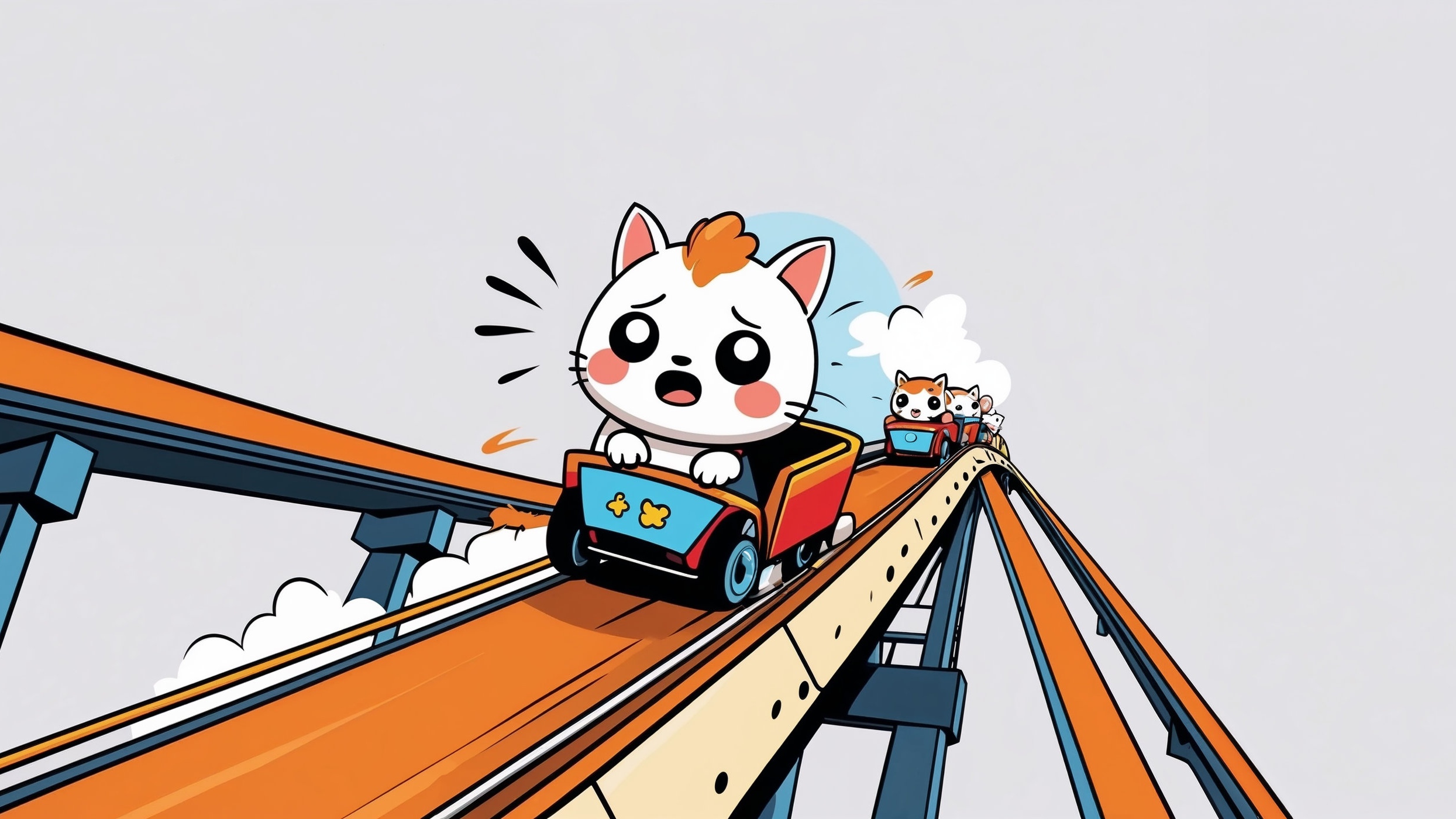
The mood swings are less severe but can still be intense enough to disrupt a person’s life. It’s like riding a rollercoaster that never takes a break but also doesn’t have the extreme ups and downs of the bigger rides.
Symptoms of Bipolar Disorder
Just like you wouldn’t judge a book by its cover, understanding bipolar disorder requires a deeper look at its symptoms. Let's break them down into the two main categories of mood episodes: manic (or hypomanic) and depressive.
Manic (or Hypomanic) Symptoms
Mania is a term that often gets tossed around casually, but within the context of bipolar disorder, it takes on a specific set of symptoms:
- Increased energy: This isn’t just the vigour you feel after a good cup of coffee; it’s an overwhelming surge that can keep you up for days on end.
- Racing thoughts and speed talking: Conversations leap from one topic to another in rapid succession.
- Grandiose thinking: Feelings of invincibility and overblown self-esteem that can lead someone to take risks that seem like good ideas at the time.
- Impulsive behaviour: This might include high spending, risky investments, or adventurous activities without considering consequences.
Hypomania includes similar symptoms but on a less intense scale. People might feel exceptionally productive or creative, potentially leading to periods of high achievement.
Depressive Symptoms
On the flip side are depressive episodes, which might involve:
- Persistent sadness or hopelessness: More than just a “bad day,” this can last weeks or even longer.
- Loss of interest in most activities: Hobbies and interests that were once enjoyable suddenly lose their appeal.
- Fatigue or loss of energy: Simple tasks may feel insurmountable due to continuous exhaustion.
- Changes in sleep patterns and appetite: Sleeping too much or too little and significant weight fluctuations.
Both of these extremes can impact the way someone with bipolar disorder interacts with the world, affecting relationships, work, and overall quality of life.
Causes and Risk Factors
You might wonder, “Where does bipolar disorder come from?” As with many mental health disorders, the answer isn’t straightforward. Instead, it’s a combination of genetic, biological, and environmental factors.
Genetics
Bipolar disorder can run in families, suggesting a genetic link. If a close relative, like a parent or sibling, has bipolar disorder, there’s an increased chance of developing it, too. However, having a family member with bipolar disorder doesn’t guarantee you’ll have it, as genetics is just one piece of the puzzle.
Brain Structure and Function
Research has suggested that individuals with bipolar disorder may have variations in the brain structure or functionality, although this doesn’t apply universally. Neuroimaging studies have shown differences in the size and functioning of certain brain regions, but these findings are still under continual exploration.
Environmental Factors
Stressful or traumatic life events can trigger the onset of bipolar disorder symptoms. This could include events such as loss, trauma, or abuse. Substance abuse can also exacerbate bipolar symptoms, though it isn’t typically the root cause.
Diagnosis of Bipolar Disorder
In the quest to understand if someone has bipolar disorder, diagnosis plays a crucial role. However, it’s not as simple as filling a checklist at your doctor’s office; it requires comprehensive evaluation.
Clinical Assessment
Diagnosing bipolar disorder often begins with a comprehensive psychiatric evaluation. This can involve interviews and questionnaires about the pattern and severity of mood swings, behaviours, and other symptoms. Family history and personal history also contribute significantly to the assessment.
Misdiagnosis Challenges
Bipolar disorder can sometimes be tricky to diagnose due to symptom overlap with other conditions like depression, ADHD, or anxiety disorders. Consequently, some people may spend years in search of an accurate diagnosis.
This can be frustrating, but working with a knowledgeable healthcare provider who is willing to take the time to understand your unique experiences is essential.
Treatment Options for Bipolar Disorder
While there is no cure for bipolar disorder, many effective treatments can help manage its symptoms. Treatment is often tailored to the individual’s specific symptoms and needs.
Medication
Medications are often the first line of defence in managing bipolar disorder. Mood stabilisers like lithium are commonly used, helping to balance out the extremes. Antidepressants may also be prescribed, although they are often paired with mood stabilisers to prevent triggering manic episodes.
Of course, finding the right medication can be a process of trial and error, requiring patience and communication with healthcare providers.
Therapy
Therapy is another cornerstone of managing bipolar disorder. Cognitive-behavioural therapy (CBT) is particularly effective as it helps individuals identify and modify negative thought patterns and behaviours. Family-focused therapy can also help because bipolar disorder doesn’t just affect the individual; it impacts relationships and family dynamics.
Psychotherapy provides a safe space to explore feelings and develop strategies for managing situations that could trigger mood episodes.
Lifestyle Changes
In addition to medication and therapy, lifestyle changes can significantly influence the management of bipolar disorder. Maintaining a regular routine, prioritising sleep, and engaging in regular physical activity are key components in stabilising mood swings.
Incorporating stress management techniques, such as mindfulness and meditation, can also aid in maintaining balance and mitigating symptoms.
Living with Bipolar Disorder
Now, let’s talk about living with bipolar disorder, because it’s not just about the medical side of things. It’s about thriving, finding balance, and nurturing relationships despite the challenges.
Establishing Support Networks
Having a support network is incredibly beneficial. This doesn’t just mean having a caring family and circle of friends, but also connecting with others who understand bipolar disorder. Support groups, both in-person and online, can provide a sense of belonging and a space to share experiences and strategies.
The Road to Stability
Living with bipolar disorder is a journey, and everyone’s path is unique. With the right treatment and support, many can lead fulfilling, productive lives. It involves a partnership with healthcare providers, a commitment to maintaining treatment plans, and the courage to face and adapt to mood changes.
The Upsides and Challenges
While the challenges of bipolar disorder are significant, there could be upsides, or at least ways in which individuals can channel their experiences positively.
Creative Energy
Some individuals with bipolar disorder discover bursts of creativity during hypomanic phases. Many famous artists, writers, and musicians have had bipolar disorder, and their creative expressions have left lasting impacts.
However, it’s crucial to understand this is not a reason to forgo treatment: the goal is balanced and healthy expression, not romanticising an untreated condition.
Resilience and Empathy
Experiencing the highs and lows of bipolar disorder can cultivate heightened empathy for others. Individuals who navigate bipolar disorder often develop an incredible resilience and strength that allows them to tackle challenges.
Conversely, it's important to address the potential downsides, such as the stigmatisation surrounding bipolar disorder. Education and open conversations are essential to dismantle misconceptions and foster understanding.
Breaking the Stigma
Bipolar disorder, like many mental health issues, often suffers from stigma and misunderstanding. However, attitudes have been shifting, and there’s an increasing emphasis on mental health awareness and education.
Educational Initiatives
Knowledge is power. Increased educational initiatives and open dialogues about bipolar disorder are vital in reducing stigma. Sharing stories and spreading awareness helps demystify the condition and reinforce that it’s manageable.
Advocacy and Support
Activists, support groups, and mental health organisations are crucial in advocating for those with bipolar disorder. They help drive change, promote acceptance, and ensure mental health is a priority in public policy.
Key Takeaways
Understanding bipolar disorder requires patience, compassion, and a willingness to never stop learning. While it poses unique challenges, individuals with bipolar disorder can lead rich, fulfilling lives with the right combination of treatment, support, and lifestyle adjustments.
Education, awareness, and advocacy are pivotal in dismantling the stigma surrounding bipolar disorder, and every conversation contributes to this cause.
Ultimately, whether it's about recognising the signs, seeking help, or supporting a loved one, every step taken towards understanding bipolar disorder is a step towards empowerment and positive change. So here’s a salute to perseverance, empathy, and the enduring search for balance.
And remember, you’re not alone on this journey, and the swings eventually even out when you have the right tools and support.