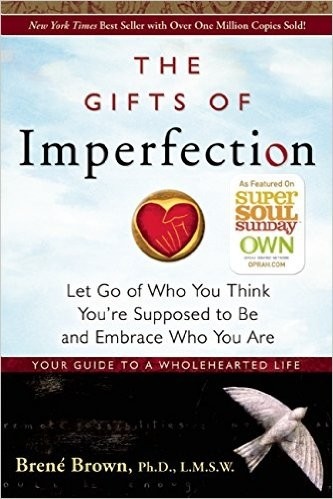
What the book covers
Brene Brown starts by introducing the concept of "wholehearted living", which she defines as engaging with your life from a place of worthiness, not from a place of proving your worth. If you've ever found yourself exhausted from trying to be perfect, this book speaks directly to that struggle.
The heart of the book presents 10 guideposts to wholehearted living, including cultivating authenticity, self-compassion, resilience, intuition, and creativity. But what makes this book different from other self-help volumes is that Brown grounds everything in her decade-long research on shame, vulnerability, and belonging. She's not just offering tips: she's explaining the psychology behind why perfectionism traps us and how shame keeps us isolated.
A key insight: perfectionism isn't actually about striving for excellence. It's a defense mechanism. It's the belief that if we look perfect, act perfect, and achieve perfectly, we can avoid blame, judgment, and shame. Brown's research shows this doesn't work. Instead, perfectionism leads to anxiety, depression, and disconnection from ourselves and others.
The book also tackles vulnerability head-on. You're not supposed to view vulnerability as weakness: it's the birthplace of innovation, creativity, change, and connection. This runs counter to how most of us were raised, which makes it both uncomfortable and liberating to read.
Who should read this
If you struggle with perfectionism, people-pleasing, or feeling "not enough," this book is written for you. But honestly, that's most of us.
You're a good fit for The Gifts of Imperfection if:
- You're caught in the perfection trap and exhausted by it
- You experience shame regularly but don't fully understand where it comes from
- You want to build deeper, more authentic relationships
- You're interested in the intersection of psychology, vulnerability, and personal growth
- You're willing to do some emotional introspection (this book requires engagement, not just passive reading)
This book works especially well for people in helping professions: teachers, healthcare workers, social workers, therapists, who are trained to put everyone else first. But it's genuinely useful for anyone navigating modern life's impossible standards.
Strengths and weaknesses
Strengths:
The research backing is invaluable. Brown spent years interviewing people about their shame, vulnerability, and sense of belonging. This isn't pseudoscience or platitudes: it's grounded in real data and real stories. She includes actual quotes from her research participants, which makes the concepts feel concrete rather than abstract.
The guideposts framework is practical and memorable. Rather than offering vague advice about "being yourself," Brown gives you specific practices: letting go of what people think, cultivating self-compassion, building intuition, practicing stillness. These are actionable.
Brown's voice is warm and funny without being cute. She doesn't talk down to you or make this about shame-spiraling. She normalizes the struggle in a way that feels like talking to a friend who happens to be a brilliant researcher.
The book addresses the root issues that keep us trapped. Many self-help books tell you to "be yourself," but they don't explain why that's so hard. Brown explains the systems (family patterns, cultural messages, shame narratives), that train us to abandon ourselves.
Weaknesses:
Some readers find the writing style repetitive. If you've read Brown's later books (Daring Greatly, Rising Strong), you'll encounter similar concepts presented somewhat differently. The core ideas are powerful, but they're also familiar if you're already familiar with her work.
The spiritual/faith language may not land for everyone. Brown integrates concepts of faith and spirituality throughout the book, which enriches the work for some readers but might feel out of place for others seeking a secular approach.
The examples, while powerful, tend to skew toward a particular demographic and cultural context. More diverse examples would strengthen the universality of the concepts.
The workbook exercises are referenced in the main text but not fully integrated, so you might find yourself wanting the companion workbook for a deeper practice.
Final verdict
The Gifts of Imperfection is a book that feels like it was written specifically for the parts of you that are struggling. It's not a quick fix or a magical solution, but it's a genuine guide to understanding why perfection feels necessary and how to begin unwinding that belief.
The research is solid. The voice is trustworthy. The concepts are genuinely transformative. Most importantly, Brown offers something rare: permission to be human: messy, vulnerable, imperfect, and still be worthy of love and belonging.
This book has sold over 3 million copies in 35 languages. That resonance isn't random. People return to it because it addresses something fundamental: the exhausting gap between who we think we're supposed to be and who we actually are. And then it offers a way to close that gap.
If you're ready to stop performing and start connecting, this book is worth your time. It won't fix everything, but it might change how you relate to your own imperfections, which changes everything.
Best for: Anyone exhausted by perfectionism or trapped in shame cycles who wants to understand the psychology behind it and learn concrete practices for moving toward wholehearted living.