01
How food, mood, and energy connect
The food you eat affects your brain chemistry, energy regulation, hormone balance, and inflammatory state, all of which directly influence how you feel and think. When you eat in a pattern that causes rapid blood sugar rises and crashes, mood and concentration tend to follow a similar trajectory: a brief lift followed by irritability, fatigue, difficulty focusing, and a strong pull toward another quick energy source. Over time, that cycle contributes to emotional instability that feels like a psychological problem but has a partly metabolic explanation.
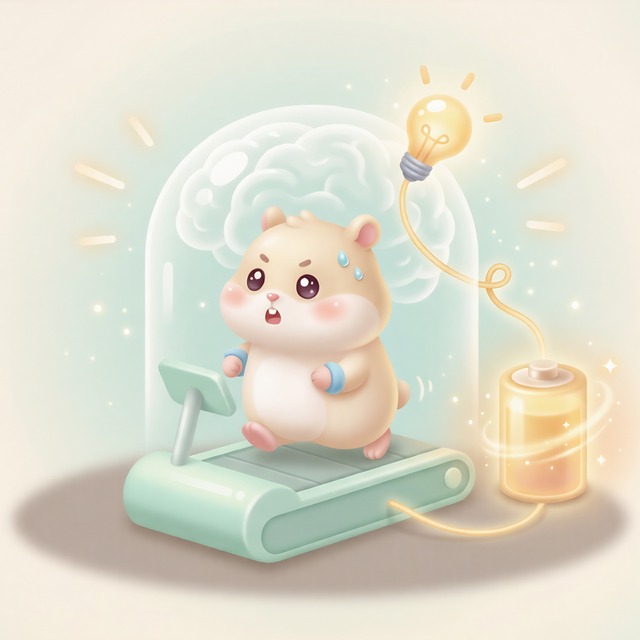
The brain consumes a disproportionate amount of the body's total energy, and it functions best with a steady supply. Meals that combine protein, fibre, and healthy fats are digested more slowly than refined carbohydrates, releasing glucose into the bloodstream at a pace the brain can use without the subsequent crash. For many people, simply building meals around these principles (eating breakfast, not going more than four or five hours without food, and reducing refined sugar and ultra-processed foods) has a measurable positive effect on mood and concentration within a week or two.
Hydration is also frequently overlooked in mental health nutrition. Even mild dehydration (the kind that occurs before you feel noticeably thirsty) can impair concentration, increase the perception of effort during tasks, and worsen mood. Making water the default drink throughout the day is one of the simplest, most consistently effective adjustments available for anyone whose focus and energy fluctuate significantly.