01
The relationship between sleep and mood
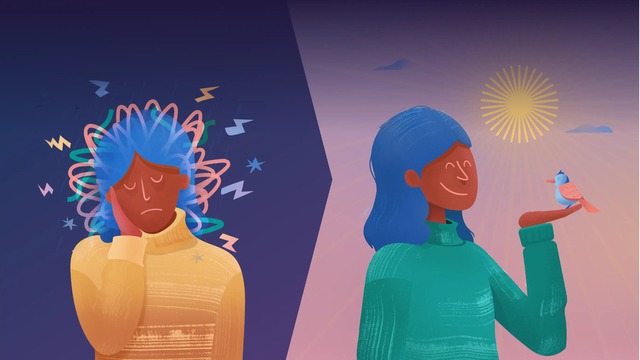
Sleep and mental health are deeply intertwined, and the relationship runs in both directions. Poor sleep makes you more emotionally reactive, reduces patience, and lowers your threshold for stress. At the same time, anxiety, low mood, and rumination make it harder to fall asleep or stay asleep through the night. This bidirectional loop is one reason sleep problems so often sit at the centre of mental health difficulties, even when people initially present with other concerns.
The effects of sleep loss on mood are often underestimated. A single night of disrupted sleep can amplify emotional responses the following day: small frustrations feel larger, difficult interactions feel more personal, and the sense of proportion that usually helps you navigate challenges becomes less reliable. When sleep debt accumulates over several days or weeks, these effects deepen and can begin to resemble the symptoms of anxiety or depression closely enough to be mistaken for them.
Understanding this connection is practically useful. When you notice your mood deteriorating, your temper shortening, or your ability to concentrate dropping, it is worth examining your sleep before assuming something more serious is happening. Often, restoring more consistent rest (even without any other changes) produces a noticeable improvement within a few days. Sleep is not a passive activity. It is one of the most active things your brain does, and its quality shapes almost everything else.