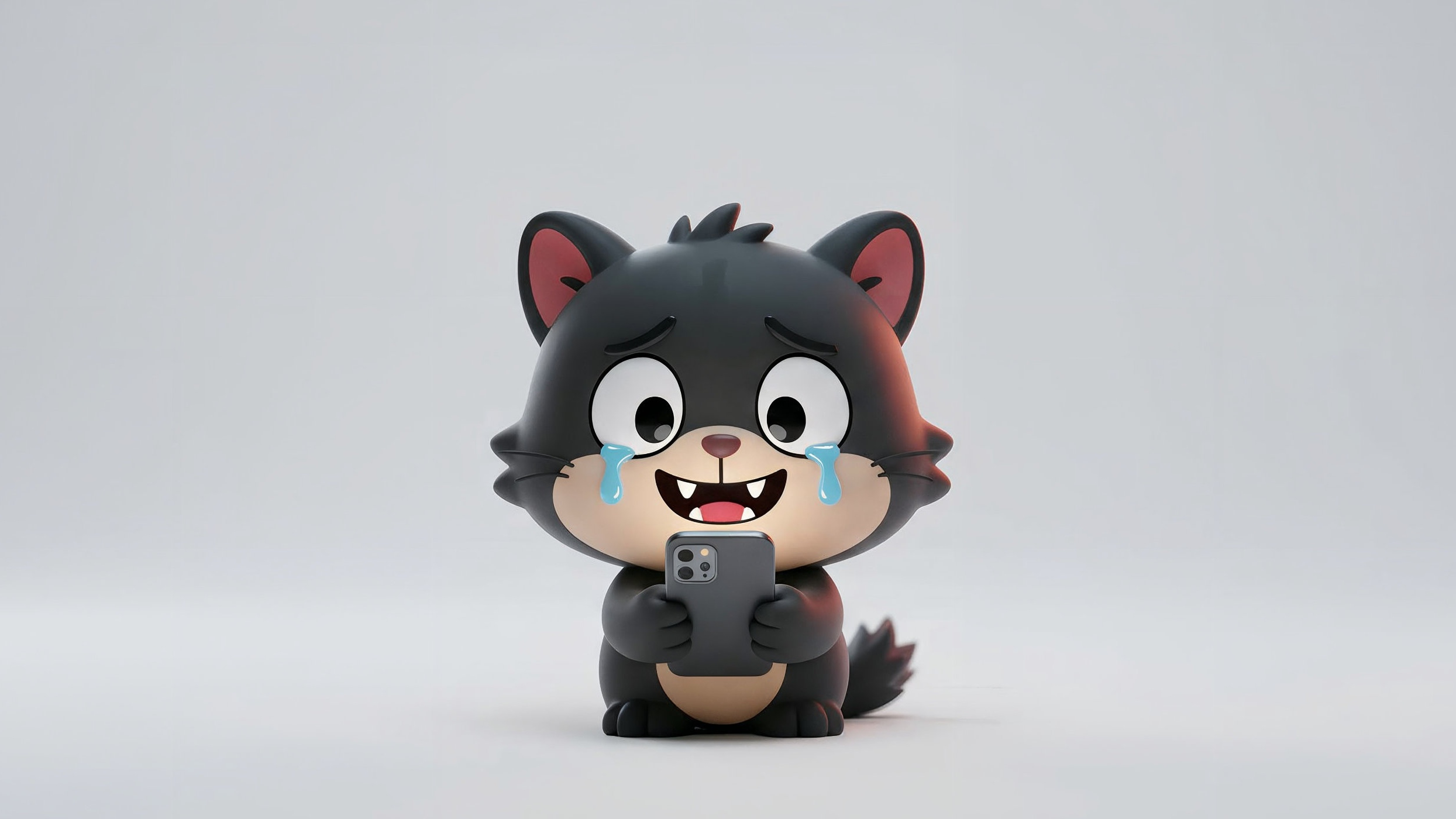
There's a quiet hum of dissatisfaction that seems to be a hallmark of modern life. It's a strange paradox. We have access to more information, more entertainment, and more glimpses into more lives than any generation in human history, yet a pervasive sense of emptiness seems to linger for many. We scroll through breathtaking landscapes, curated moments of joy, and perfectly plated meals, and for a fleeting second, we might feel a spark of something. But it’s a borrowed spark. It’s the secondhand smoke of a fire we’re not actually sitting by. We are becoming connoisseurs of other people's lives while our own sits waiting, like a book with uncut pages.
The purpose of life is not to accumulate the most likes, the most followers, or the most polished memories. The purpose of life is to experience. It’s to feel the full, messy, glorious spectrum of what it means to be human. It’s about the sting of failure, the warmth of a genuine connection, the frustration of learning a new skill, and the quiet awe of a sunset you actually stood still to watch. We will explore why our brains are fundamentally built for this journey of direct experience and how our modern habits, particularly our relationship with social media, are hijacking this core purpose, leaving us feeling strangely hollow in a world that has never been more full of things to see.
Our Brain's Insatiable Curiosity: The Built-In Drive for 'New'
Long before we were scrolling, we were strolling. Our ancestors didn’t have a five-year plan; they had a daily imperative: explore, learn, survive. This wasn't just a good idea; it was a biological necessity etched into our neural circuitry. Our brain is not a passive receptacle waiting to be filled with information; it's an active, hungry explorer. At the heart of this exploratory drive is a powerful neurotransmitter you’ve likely heard of: dopamine. While often oversimplified as the "pleasure chemical," dopamine is more accurately described as the "motivation chemical." It's the part of our brain that says, "Hey, pay attention! This is important for survival and reward."
When we encounter something new, our brain's reward system, primarily the Ventral Tegmental Area (VTA), gets to work. It releases a surge of dopamine that floods our neural pathways. This isn't just about feeling good; it's a deeply ingrained learning mechanism. The dopamine hit essentially tags the new experience as salient and worth remembering. It’s the brain’s way of underlining a passage in the textbook of life. This is why you can vividly recall the details of your first day at a new job or the taste of a foreign fruit, yet the thousandth time you drove to the grocery store is a complete blur. The novelty makes it stick. This system rewards us for stepping outside our comfort zone, for seeking out the unknown, because from an evolutionary perspective, the unknown is where new resources, new opportunities, and new dangers lie. Learning to navigate it is the key to thriving.
This innate drive for novelty is why we get bored. Boredom isn't a sign of a flawed personality; it's a biological signal. It's your brain, in its infinite wisdom, telling you that it's done processing the current environment and is ready for new input. It's a call to action, a prompt to go and experience something, anything, new. In a healthy state, this feeling would spur us to explore a new park, try a different recipe, or strike up a conversation with a stranger. It is the engine of personal growth, constantly pushing us to expand our map of the world. My brain before I try something new feels like a dog staring at a closed door, just waiting for it to open. The anticipation, the curiosity, the sheer need to see what's on the other side is a powerful, primal force. It is this very system that we must understand and reclaim if we are to find genuine fulfilment.
The Good, The Bad, and The Brain-Building: Why All Experiences are Vital for Growth
In our pursuit of happiness, we’ve developed a strange allergy to negative experiences. We treat sadness, failure, and discomfort as aberrations, as bugs in the system that need to be patched or avoided at all costs. But what if these experiences aren't bugs, but features? What if they are just as crucial for building a resilient and meaningful life as joy and success? The brain, in its quest for growth, is not exclusively seeking pleasure. It is seeking information. And information comes in all forms, wrapped in the packaging of both positive and negative emotions. Every experience, regardless of how we label it, contributes to the intricate architecture of our minds.
Think of it in terms of neuroplasticity, the brain's remarkable ability to reorganise itself by forming new neural connections. When you have a positive experience, like mastering a new song on the guitar, the neural pathways associated with that success are strengthened. Dopamine rewards the effort, making you more likely to practice again. But what happens when you fail? When you hit a wrong note, feel the sting of frustration, and have to start over? A different but equally important process occurs. The brain registers the error. It analyses the gap between your intention and the outcome. It prunes away the ineffective connection and searches for a new, better pathway. This process of trial and error, of failure and correction, is learning in its purest form. It is the very definition of growth. A life devoid of setbacks would be a life of stagnation, a mind with a limited and unchanging map of the world.
This is why we must reframe our relationship with so-called "bad" experiences. Heartbreak teaches us about our own emotional depths and what we value in a partner. Professional failure can illuminate a path we were never meant to be on, redirecting us toward more authentic work. Even physical pain is a teacher, a signal from our body that something needs attention. To numb ourselves to these experiences, to distract ourselves or medicate them away without first learning their lesson, is to rob ourselves of some of life's most profound wisdom. We are not meant to be fragile, porcelain dolls, kept safe on a shelf. We are meant to be dynamic, adaptable beings, strengthened by the cracks and repairs of a life fully lived.
Learning in High Definition: How Experience Beats Theory Every Time
There is a world of difference between knowing the path and walking the path. You can read every book ever written about love, but you will not understand it until you have felt its exhilarating heights and its devastating lows. You can watch countless videos on how to bake bread, memorising every step, but you will not truly know the process until you have felt the sticky dough on your hands, smelled the yeast activating, and pulled a slightly-burnt-but-still-beautiful loaf from your own oven. This is the chasm between theoretical knowledge and embodied wisdom. Theory is a map, but experience is the journey itself, with all its unexpected detours, breathtaking views, and muddy patches.
This isn't just a philosophical idea; it's rooted in how our brains are designed to learn. Active participation engages multiple sensory systems and cognitive functions simultaneously. When you are learning by doing, you are not just processing abstract information. You are engaging your motor cortex, your visual system, your auditory system, and your proprioceptive sense of your body in space. This creates a much richer, more complex, and more durable neural network associated with the memory. It’s the difference between watching a movie in black-and-white with no sound and experiencing it in full-colour, surround-sound IMAX. The sheer density of the sensory input makes the memory far more potent and meaningful.
Passive observation, on the other hand, keeps us at a safe distance. It engages far fewer neural resources. It gives us the illusion of knowledge without the substance of understanding. We can become trivia champions, full of fascinating facts about the world, but remain novices in the art of living in it. This is a critical distinction in our current age. We are consuming vast quantities of information, watching tutorials, and listening to podcasts, all of which are valuable tools. But they are supplements to, not substitutes for, direct experience. The goal is not to accumulate the most information, but to translate that information into lived wisdom. True learning happens when theory is tested in the messy laboratory of the real world. It is in the doing, the trying, the failing, and the trying again that we truly come to know anything at all.
The Social Media Mirage: Are We Outsourcing Our Own Happiness?
Now we arrive at the great paradox of our time: the digital window to the world. Social media platforms, in theory, are tools of connection and inspiration. They allow us to see places we might never visit and share in the joy of friends far away. But there is a subtle and insidious side effect to this constant stream of curated perfection. We are becoming a generation of spectators. We are sitting in the audience, watching the highlight reels of thousands of other lives, and in the process, we are forgetting to step onto the stage of our own.
The issue is not just about jealousy or comparison, though those are certainly significant problems. The deeper issue is that we are beginning to outsource the very experiences that are meant to build our lives. We watch a travel vlogger explore a bustling market in Marrakech, and for a moment, we feel a flicker of the excitement. We see an acquaintance post a picture from the finish line of a marathon, and we get a tiny, vicarious taste of their accomplishment. We are, in essence, letting others do the living for us. This creates a dangerous illusion of participation. We get a whisper of the emotional reward without any of the effort, risk, or genuine engagement that makes an experience meaningful.
This passive consumption creates a feedback loop. The more we watch, the less we do. The less we do, the less we have to share. The less we have to share, the more we feel the need to watch others. Our own lives can begin to feel dull and colourless in comparison to the hyper-saturated, perfectly-filtered lives we see on our screens. The issue is that we are comparing our behind-the-scenes footage to their final, edited cut. We see their summit photo, but we miss the gruelling, breathless climb. We see their joyful wedding picture, but we miss the difficult conversations and compromises that built their relationship. We are getting the destination without the journey, and the journey is where the purpose lies.
Dopamine on Loan: The Science of Vicarious Sensation vs. Real-Life Reward
The reason we get so easily hooked on this cycle of observation has a direct neurological basis. Scrolling through a social media feed is like playing a slot machine. Most of the content is mundane, but every so often, you hit a jackpot: a surprising photo, a juicy piece of gossip, a particularly cute video of a puppy. Each of these little "rewards" delivers a small, unpredictable hit of dopamine. Neuroscientists have shown that this pattern of intermittent variable rewards is the most addictive type of reinforcement possible. It’s what keeps you pulling the lever, or in this case, flicking your thumb.
This is where the concept of "dopamine on loan" comes in. The dopamine hit you get from seeing someone else’s amazing vacation photo is a short-term, low-investment reward. It feels good for a second, but it’s an empty calorie high. It’s borrowed from the real, effortful experience of another person. The brain, being efficient, can start to prefer this easy, passive source of reward over the more difficult, but ultimately more satisfying, rewards of real life. Why go through the months of training and the pain of running a marathon yourself when you can get a tiny, instant flicker of the feeling by liking a photo of someone else doing it? The problem is that these tiny, frequent, passive hits can desensitise our reward system over time.
This can lead to a state known as anhedonia, which is a core symptom of depression. Anhedonia is the reduced ability to feel pleasure from things that would normally be rewarding. When our brains become accustomed to the firehose of easy, high-novelty stimuli from our phones, the simple, quiet pleasures of real life can start to feel bland. A walk in the woods can’t compete with a curated reel of the most beautiful hikes in the world. A simple home-cooked meal can’t compete with a food blogger’s perfect creation. We are essentially training our brains to devalue our own reality. This creates a dangerous deficit. We are taking out dopamine loans from the bank of social media, but we have to pay them back with our own motivation and capacity for joy in the real world, and for many, the account is becoming overdrawn.
Reclaiming Your Adventure: Small Steps to Break the Cycle of Observation
Breaking free from the spectator cycle doesn't require a dramatic, life-altering overhaul. You don't need to quit your job and backpack across a continent, unless you want to, of course. It's about making small, deliberate shifts from passive consumption to active participation. It's about re-sensitising your brain to the rewards of your own, un-curated reality. The goal is to prove to your reward system that real life, with all its imperfections, is far more satisfying than the polished mirage on the screen.
Start with micro-adventures. These are small, low-stakes novelties you can inject into your daily routine. Take a different route on your way to work. Listen to a genre of music you would normally skip. Go into a store you’ve walked past a thousand times but never entered. Cook a meal with an ingredient you can’t pronounce. Each of these tiny acts of exploration is a signal to your brain. It’s a message that says, “I am an active agent in my own life. I am a seeker, not just a scroller.” These small experiences begin to reactivate those dormant novelty-seeking pathways and remind your brain that reward can be found right outside your door, not just behind a screen.
Another powerful strategy is to shift from being a content consumer to a creator, in the broadest sense of the word. This doesn't mean you need to start a YouTube channel. It means engaging in activities that produce a tangible outcome. Write a poem, even if it's terrible. Plant a single herb in a pot on your windowsill. Fix that wobbly chair that's been bothering you for months. Learn three chords on a dusty guitar. The act of creation is the antithesis of passive consumption. It is a declaration of agency. It provides a sense of accomplishment and mastery that no amount of liking or sharing can replicate. It generates an internal, earned reward, a dopamine hit that is all your own, with no debt attached.
The Art of Noticing: Finding Epic Experiences in Everyday Moments
Perhaps the most profound way to reclaim the purpose of experience is to change not just what you do, but how you do it. Life is not just a series of grand, “Instagrammable” moments. It is mostly composed of small, quiet, in-between moments. The morning coffee, the walk to the bus stop, the sound of rain on the window. We have trained ourselves to see these moments as filler, as the boring parts we have to get through to reach the next "important" event. We pull out our phones to escape them, to fill the silence with the noise of other people's lives.
The art of noticing is about reclaiming these moments. It's about applying the principles of mindfulness to your everyday existence. When you drink your morning coffee, truly experience it. Notice the warmth of the mug in your hands, the rich aroma, the complex taste. Turn off the podcast during your commute and just look out the window. Notice the architecture of the buildings, the expressions on people's faces, the way the light changes. By paying deliberate attention to the sensory details of the present moment, you can transform the mundane into the meaningful. You are, in effect, mining your own life for the gems that are already there.
This practice does something remarkable to the brain. It quiets the restless seeking of the dopamine system, which is always looking for the next "new" thing, and activates other areas of the brain associated with contentment and presence. You start to realise that an epic experience doesn't have to mean climbing a mountain. An epic experience can be the feeling of a cool breeze on a hot day, a truly delicious bite of food, or a moment of genuine, uninterrupted connection with another person. It’s about understanding that the richness of life is not measured by the number of things you’ve seen, but by the depth to which you have seen them. Your own life, right here, right now, is worthy of your full attention.
Key Takeaways
- Our Brains are Wired for 'New': We are biologically programmed to seek out new experiences. This is not a personality trait, but a fundamental survival mechanism driven by our brain's dopamine-based reward system.
- All Experiences Build You: Both positive and negative experiences are essential for growth. They create new neural pathways, teach valuable lessons, and build a resilient, adaptable mind. Avoiding failure and discomfort is avoiding growth.
- Active vs. Passive: True learning and lasting wisdom come from active participation, not passive observation. Embodied knowledge, gained through doing, will always be more potent than theoretical knowledge.
- The Danger of 'Dopamine on Loan': Social media can provide easy, passive dopamine hits from vicarious experiences, which can desensitise our brains to the quieter, more effortful rewards of real life, potentially contributing to feelings of dissatisfaction and depression.
- Reclaim Your Agency: You can break the cycle of passive consumption through small, deliberate acts. Inject micro-adventures into your routine and shift from being a consumer to a creator to generate your own, earned rewards.
- Experience is in the Noticing: The purpose of life is not just to have experiences, but to be present for them. By practicing the art of noticing, you can find richness and meaning in the small, everyday moments that make up the vast majority of your life.
Conclusion
So get out there and start experiencing! However small and inconsequential you may think it is, you are starting to build real experiences to develop who you are.