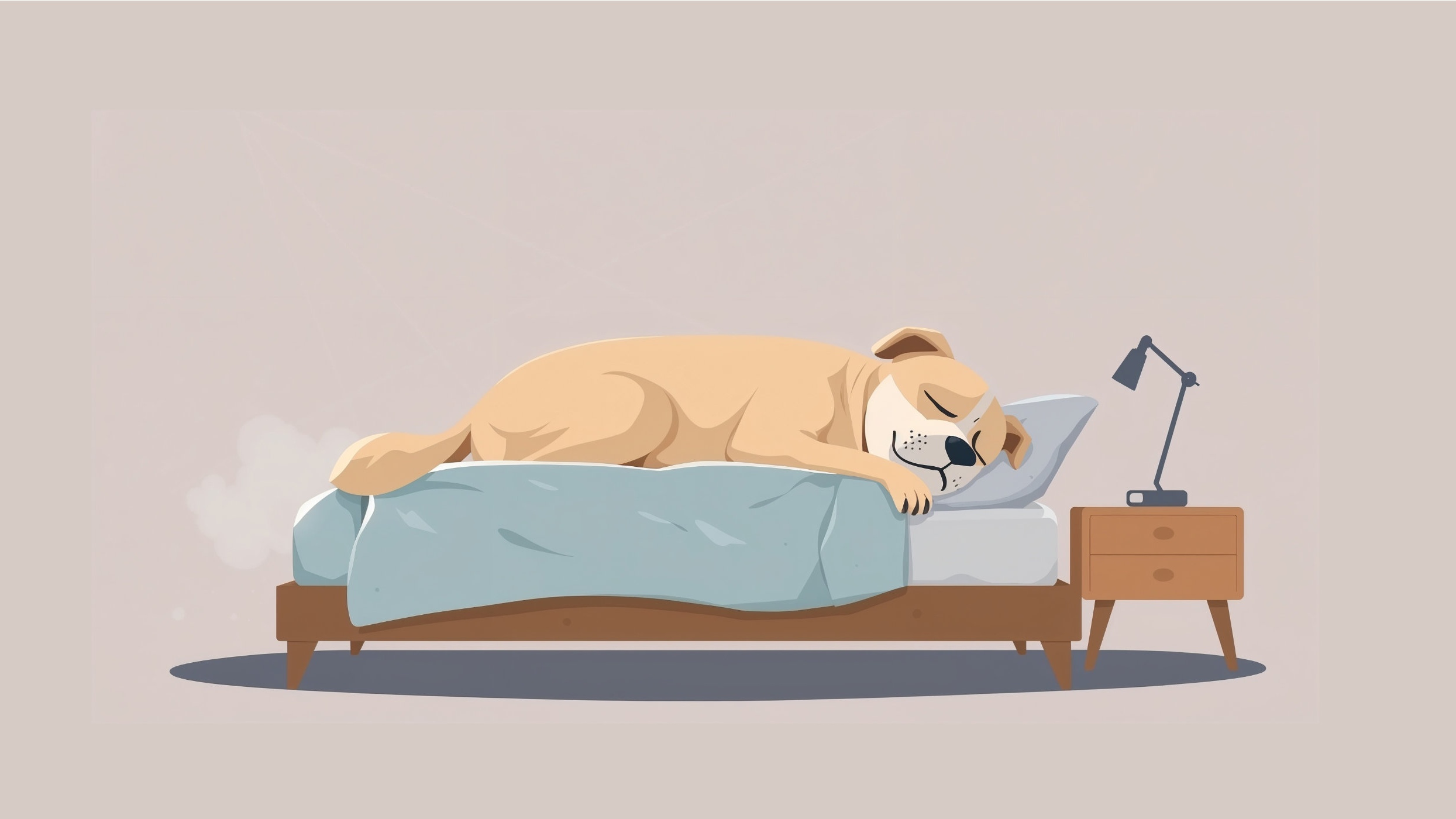
There are few things more comforting than the soft, rhythmic breathing of a furry companion nestled beside you in bed. For millions of pet owners, sharing a bed with their dog or cat is a non-negotiable part of their nightly routine. It’s a symbol of the deep bond they share, a source of warmth, and a bastion against the stresses of the day. Yet, for every person who swears by the soothing presence of their pet, there's another who insists that the bedroom should be a pet-free zone, a sanctuary reserved for human sleep alone. This debate isn't just a matter of personal preference; it's a topic of growing scientific interest. Does co-sleeping with our pets actually help us relax and feel secure, or are we unknowingly sacrificing our sleep quality for the sake of a good cuddle?
The Comfort Crew: Why We Love Cuddling Our Pets at Night
The allure of sharing a bed with a pet is deeply rooted in the emotional comfort they provide. In a world that often feels chaotic and uncertain, the simple, unconditional love of an animal can be a powerful anchor. Having a pet in the bed transforms the sleeping space from a solitary environment into one of shared companionship. This can be especially meaningful for individuals who live alone, as the presence of a warm, breathing creature can significantly alleviate feelings of loneliness and isolation. The physical contact itself, whether it's the weight of a cat curled on your chest or a dog resting at your feet, triggers a physiological response that promotes relaxation. This act of cuddling releases oxytocin, often called the "love hormone," which is known for fostering feelings of bonding, contentment, and well being.
Beyond the hormonal benefits, there is a profound sense of security that comes from having a pet nearby. Many dog owners, in particular, report feeling safer with their canine protector in the room. The knowledge that their alert companion might warn them of any unusual sounds can ease anxiety and allow for a deeper, more relaxed state of sleep. The rhythmic sound of a pet's breathing or the soft purr of a cat can also act as a form of white noise, lulling their human to sleep. It’s a primal, comforting connection that taps into our need for safety and companionship. For many, the emotional and psychological benefits are so immense that the thought of banishing their furry friend to another room feels like a betrayal of that special bond, making any potential sleep disruption a price they are more than willing to pay.
The Science of Snuggles: Mental Health Perks of Pet Co-Sleeping
The mental health benefits of pet ownership are well documented, and these advantages can be amplified during the quiet, intimate hours of the night. Co-sleeping with a pet can be a powerful tool for managing stress and anxiety. The act of petting or stroking an animal has been shown to lower blood pressure and heart rate, calming the nervous system after a stressful day. When this interaction happens in the context of bedtime, it can help quiet a racing mind, making it easier to drift off to sleep. The pet’s calm demeanour serves as a model for our own, reminding us to let go of the day's worries and embrace a state of rest. This nightly ritual can become a cornerstone of a person's mental health toolkit, providing consistent, reliable comfort.
Furthermore, the presence of a pet in bed can provide a unique form of emotional support for those dealing with more significant mental health challenges, such as depression or PTSD. A pet offers non-judgmental companionship, a silent confidant who is simply there. For someone experiencing a depressive episode, the responsibility of caring for a pet can provide a crucial sense of purpose, and the physical affection can combat the feelings of emptiness that often accompany the condition. Similarly, for individuals with PTSD, a specially trained service animal or even a deeply bonded pet can help mitigate nightmares and provide grounding during moments of panic. While the pet’s presence might not directly improve the technical metrics of sleep, its role as a stress buffer and emotional stabiliser is a significant factor that many owners prioritise above all else.
A Rude Awakening: The Downside of Sharing Your Bed
Despite the undeniable emotional comforts, sharing your bed with a pet is not always a peaceful slumber party. The reality is that animals and humans have very different sleep patterns, and these differences can lead to significant disruptions for the human in the equation. Dogs, for example, are polyphasic sleepers, meaning they have multiple sleep-wake cycles throughout the day and night. This can translate to them getting up to drink water, repositioning themselves, or deciding it's time for a 3 a.m. ear scratch. Cats are naturally more active during dawn and dusk, which might mean a sudden case of the "zoomies" across the bed just as you're entering your deepest phase of sleep. These interruptions, even if brief, can fragment your sleep and prevent you from cycling through the necessary stages of restorative rest.
The physical realities of sharing a limited space also play a major role. A large dog can easily command more than their fair share of the mattress, leaving their human owner clinging to the edge. Pets can also be surprisingly noisy sleepers, with a chorus of snores, whimpers, and dream-induced yips. Then there's the issue of temperature. A furry pet is essentially a living, breathing hot water bottle, which might be welcome on a cold winter night but can become uncomfortably warm in other seasons, leading to tossing and turning. These physical disturbances, from movement and noise to space and temperature, can collectively degrade the quality of your sleep, leaving you feeling groggy and unrested in the morning, even if you can't pinpoint a single major awakening.
The Research Rings In: What Studies Say About Sleep Quality
While personal anecdotes have long fuelled the debate, recent scientific research is beginning to provide a clearer, data-driven picture. Several studies have found a consistent association between co-sleeping with pets and poorer sleep outcomes for humans. For instance, a 2024 study published in Scientific Reports analysed the sleep patterns of pet owners and found that those who shared their bedroom with a pet, particularly a dog, reported worse overall sleep quality. This aligns with other analyses which have linked pet co-sleeping with a higher incidence of insomnia symptoms. The findings suggest that even if pet owners feel emotionally comforted, their objective sleep quality may be suffering.
It is important to understand the nature of this research. Many of these studies are cross-sectional, meaning they capture a snapshot in time and identify correlations rather than direct causation. It's possible that people who already have trouble sleeping are more likely to seek comfort from a pet at night, rather than the pet being the primary cause of the poor sleep. Nonetheless, the consistency of the findings is compelling. A study published in the journal Human-Animal Interactions found that co-sleeping with pets was associated with poorer perceived sleep quality and greater insomnia severity. While the emotional benefits are real, the growing body of evidence suggests that these benefits may come at the cost of restorative, uninterrupted sleep.
The Dog vs. Cat Debate: Does the Species Matter?
Interestingly, the research suggests that not all furry bedfellows are created equal when it comes to sleep disruption. Several studies have pointed a finger specifically at our canine companions. One survey-based study made headlines by finding that people who slept in the same room as their dogs showed markers of poorer sleep quality, but the same effect was not observed for cat owners. This raises an intriguing question: why might dogs be more disruptive than cats? The answer likely lies in a combination of size, behaviour, and sleep patterns. Dogs, especially larger breeds, simply take up more space and are more likely to cause significant movement when they reposition themselves. They may also be more prone to snoring or other noises that can disturb a light sleeper.
Cats, on the other hand, are often lighter and more adept at finding a comfortable spot and staying put for long stretches. While they have their own nocturnal tendencies, their movements can be stealthier and less likely to jolt a person awake. Of course, these are generalisations, and the individual personality and habits of the pet play a huge role. A small, calm dog who sleeps soundly at the foot of the bed may be far less disruptive than a rambunctious young cat who sees bedtime as playtime. Ultimately, while the data may lean towards cats being more discreet sleeping partners, the impact on your personal sleep quality will depend heavily on the specific animal you're sharing your sheets with.
Allergies, Germs, and Other Health Considerations
Beyond the immediate impact on sleep quality, there are other health factors to consider before inviting a pet under the covers. The most common issue is allergies. All pets produce dander (tiny flecks of skin), saliva, and urine, which are common allergens. Even if you don't have a full-blown pet allergy, constant, close-range exposure to these allergens all night long can lead to symptoms like a stuffy nose, sneezing, itchy eyes, and even trigger asthma in susceptible individuals. This can directly interfere with your ability to breathe easily and sleep soundly. Keeping the bedroom as an allergen-free zone is often a key recommendation for allergy sufferers, making co-sleeping a significant health compromise.
Hygiene is another important consideration. No matter how well-groomed your pet is, their paws and fur can track dirt, pollen, and other outdoor substances directly into your bed. They can also potentially carry fleas, ticks, or even parasites. While the risk of contracting a serious zoonotic disease (an illness passed from animals to humans) from a well-cared-for household pet is very low, it is not zero. Maintaining a clean sleeping environment is crucial for good health, and sharing your bed with an animal inevitably makes this more challenging. Frequent washing of bedding, regular pet grooming, and consistent parasite prevention are essential for mitigating these risks and ensuring your cozy cuddle sessions don't come with unwanted health consequences.
The Youth Perspective: Co-Sleeping with Pets in Childhood and Adolescence
The conversation around co-sleeping often centres on adults, but it's a common practice in households with children and teenagers as well. For many young people, a pet is not just a companion but a confidant and a source of immense security. The presence of a beloved dog or cat in bed can be particularly comforting for a child who is afraid of the dark or experiencing anxiety. This nightly ritual can foster a sense of responsibility and deepen the human-animal bond from a young age. The emotional support a pet provides can be a stabilising force during the often-turbulent years of adolescence, offering a form of comfort that feels private and unconditional.
However, just as with adults, the potential for sleep disruption is a significant concern. Quality sleep is critically important for a child's physical growth, cognitive development, and emotional regulation. Research into the impact of pet co-sleeping on youth is a growing field, with studies exploring whether the benefits of emotional comfort outweigh the risks of fragmented sleep. An animal's movements, noises, or dander could potentially interfere with a child's sleep cycles, leading to daytime sleepiness, irritability, and difficulty concentrating in school. Parents must weigh these factors, considering their child's individual sleep habits and emotional needs when deciding whether to allow the furry family member into their child's bed.
Finding a Happy Medium: Tips for Better Co-Sleeping
For the many pet owners who find the emotional benefits of co-sleeping too valuable to give up, the goal is not to eliminate the practice but to optimise it. Fortunately, there are several strategies you can implement to minimise disruptions and create a more harmonious sleeping arrangement for everyone involved. A key first step is to establish a consistent bedtime routine for your pet. A late-evening walk for a dog can help them empty their bladder and burn off any final bursts of energy, making them more likely to settle down for a long stretch. Ensuring they have access to water and have been fed can also prevent them from needing to get up during the night.
Creating a designated sleeping spot on the bed can also make a world of difference. Encourage your pet to sleep at the foot of the bed or on a specific blanket, rather than right next to your face. This gives you both a bit more personal space and reduces the chances of being woken by a stray paw or a wet nose. Investing in a larger mattress can be a game-changer, providing ample room for all parties to stretch out comfortably. From a hygiene perspective, using a waterproof mattress protector and committing to washing your bedding frequently, at least once a week, is essential. Finally, if sharing the bed itself proves too disruptive, a great compromise is to place a comfortable pet bed on the floor right next to your own. This allows you to maintain that feeling of closeness and security while giving you both your own dedicated sleeping space.
Key Takeaways
The decision to share your bed with a pet is a deeply personal one, involving a trade-off between profound emotional comfort and the potential for disrupted sleep.
- Emotional Well-being: Co-sleeping can significantly enhance feelings of security, reduce loneliness and anxiety, and strengthen the human-animal bond through the release of hormones like oxytocin. For many, these mental health benefits are the most important factor.
- The Science of Sleep: A growing body of research indicates that co-sleeping with pets, particularly dogs, is associated with objectively poorer sleep quality and more symptoms of insomnia. The disruptions are often subtle but can add up, impacting how rested you feel.
- It's a Personal Choice: There is no one-size-fits-all answer. The impact on your sleep will depend on your pet's size, species, and temperament, as well as your own sensitivity as a sleeper.
- Mitigation is Possible: If you choose to co-sleep, you can improve the experience by establishing routines, creating designated sleep zones on the bed, maintaining excellent hygiene, and considering a larger mattress.
- Listen to Your Body: Ultimately, the best way to decide is to pay attention to how you feel. If you wake up feeling refreshed and happy with your furry friend by your side, there may be no reason to change. If you consistently feel tired and groggy, it might be time to lovingly transition your pet to their own sleeping space in your room.