What the Book Covers
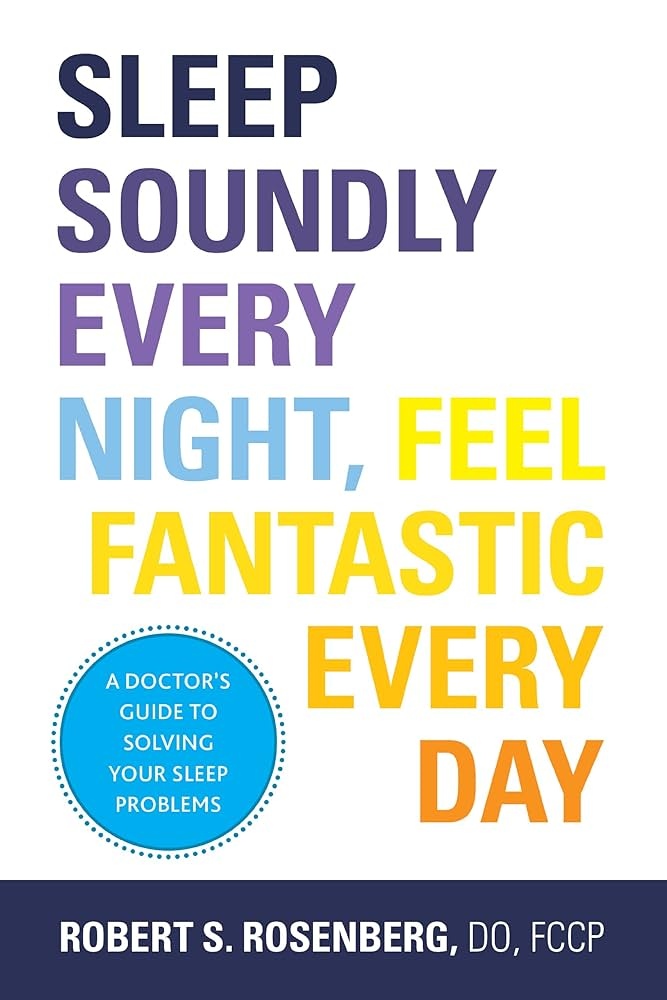
If you've ever lain awake at 3 AM wondering why sleep feels impossible, or woken up feeling like you were hit by a truck despite eight hours in bed, this book speaks directly to you. Dr. Robert S. Rosenberg, medical director of sleep disorders centers in Arizona and a board-certified sleep medicine specialist, breaks down the science and practice of better sleep in a way that feels like advice from a trusted physician, not a textbook.
The book is structured around four core areas: sleep foundations (why we sleep and what happens when we don't), specific sleep disorders (insomnia, sleep apnea, restless legs syndrome, circadian rhythm disorders), parasomnias (sleepwalking, night terrors, sleep eating), and the serious health consequences of untreated sleep problems. Each section starts with a diagnostic self-test to help you pinpoint what's actually happening with your sleep.
What makes this approach different is that Rosenberg doesn't assume you have textbook insomnia. He walks through how sleep apnea (where you actually stop breathing) feels nothing like primary insomnia (where your brain simply won't turn off). He explores how grief, PTSD, and ADHD rewire sleep systems. He explains why that mid-night bathroom trip isn't random: it's often a signal your body needs attention. The book anchors everything in real stories from his practice, so you're not reading clinical abstractions. You're seeing how actual people experienced their sleep problems and what finally worked.
Who Should Read This
This book is essential if you've struggled with sleep for months and want a doctor's perspective without the appointment wait. It's especially valuable if:
- You're not sure whether your problem is insomnia, sleep apnea, or something else entirely
- You've tried sleep apps and meditation but still feel exhausted
- You want to understand the link between poor sleep and conditions like heart disease, diabetes, or depression
- You're considering medication and want to understand what your doctor might recommend and why
- You suspect someone else in your household (a partner who snores, a child who sleepwalks) has an undiagnosed condition
The book is less useful if you're already working with a sleep specialist or if you're looking for cutting-edge CBT-I (cognitive behavioral therapy for insomnia) protocols. It's foundational rather than specialized.
Strengths and Weaknesses
The Strengths:
Rosenberg's greatest gift is making sleep medicine human. You don't need a medical background to understand why untreated sleep apnea becomes dangerous or what circadian rhythm disruption actually means. The diagnostic tools, the simple questionnaires scattered throughout, let you move beyond vague "I sleep badly" to specific, actionable observations. Many readers report that simply completing these tools was revelatory, helping them finally articulate their problems to a doctor with precision.
The book is also genuinely comprehensive. It doesn't skip the uncomfortable topics. It discusses how sleep disorders and mental health intertwine. It explains why melatonin works brilliantly for some people and does nothing for others. It covers the real consequences of chronic sleep deprivation in a way that's sobering without being alarmist.
And the patient stories? They're the book's backbone. You find yourself recognizing elements of your own experience in someone else's journey, which makes the solutions feel possible rather than abstract.
The Weaknesses:
Here's where some readers hit frustration: Rosenberg's answer to many conditions is "see a sleep specialist." This is medically sound, but it doesn't help someone waiting three months for a sleep lab appointment. The book excels at diagnosis but offers fewer detailed self-directed treatment protocols for mild cases. If you're hoping for a complete at-home sleep overhaul plan, you'll find pieces but not a comprehensive program.
The tone, while clear, can feel clinical. Some readers describe it as stern or even slightly judgmental, particularly in sections about sleep hygiene, where the "obvious" advice (no screens before bed, consistent schedule) might feel patronizing if you're already doing these things and still struggling. A more warm, motivational voice might land better for someone already exhausted and discouraged.
There's also a slight bias toward serious, diagnosable conditions. The bulk of the book focuses on sleep apnea, narcolepsy, restless legs syndrome, and other disorders requiring clinic intervention. If your issue is mild insomnia or occasional poor sleep, you might feel the book overshoots your needs: useful context, but not exactly tailored.
Final Verdict
This is the book to hand someone who's been suffering silently and doesn't know why. It legitimizes sleep problems as medical issues (not character flaws), demystifies what doctors will actually do, and gives you the language to advocate for yourself. If you've been brushing off poor sleep as "just how I am," Rosenberg's evidence on health consequences alone might shift that perspective.
Read it if you're at the starting line of a sleep problem and need orientation. Read it if poor sleep runs in your family and you want to recognize early warning signs. Read it especially if you suspect you have sleep apnea or restless legs and need permission to take it seriously.
It won't be your only resource, and for complex cases, professional diagnosis is essential, but as a bridge between "something's wrong with my sleep" and "I understand what's happening and what options exist," this book delivers. The 280 pages fly by because you're genuinely curious to know what happens next in each patient's story.
Sleep better. Feel better. Start here.