What the Book Covers
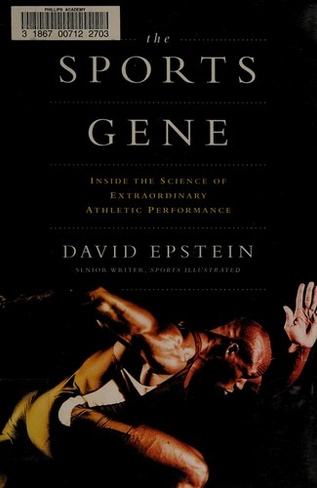
David Epstein's The Sports Gene tackles one of humanity's most enduring questions: what makes a great athlete? Is it purely training and dedication, or is there something biological at play? Spoiler alert: it's far more complicated, and far more interesting, than either/or.
Epstein, a senior writer for Sports Illustrated, spent years traveling the world and interviewing elite athletes, geneticists, and coaches to uncover the role that genetic variation plays in athletic performance. He explores everything from the genetic mutations that give some endurance runners extraordinary mitochondrial efficiency, to the inherited traits that predispose Jamaicans to sprinting excellence, to the 10,000-hour rule that Malcolm Gladwell popularized (and that Epstein carefully deconstructs).
The book is structured around compelling profiles. You'll meet Jamaican sprinters, Kenyan distance runners, and athletes with rare genetic mutations that either help or hinder their performance. Epstein shows how the same genetics that powers elite performance can also create vulnerability, like how the genes that make you a distance runner may compromise your muscle density in other ways. It's refreshingly honest: there's no one-size-fits-all formula for athletic success.
Who Should Read This
If you're an athlete (or a parent of one) who's ever wondered whether you have the "right stuff" genetically, this book offers both perspective and hope. It cuts through the myth that pure willpower and practice create champions, which can be liberating if you've been blaming yourself for not reaching certain goals.
This is equally valuable reading for anyone interested in performance psychology, sports medicine, or the eternal nature-versus-nurture debate. Even if you're not athletic, the book's insights about genetic variation, opportunity, and human potential have broader applications. Coaches, trainers, and sports scientists will find evidence-based arguments for individualized training approaches.
And perhaps most importantly: if you've internalized the narrative that any human can achieve any goal through sheer determination, this book offers a grounded, scientific counterpoint that's psychologically healthy to absorb. Understanding genetic predisposition isn't about resignation: it's about realistic self-assessment, which reduces performance anxiety and supports a genuine growth mindset.
Strengths and Weaknesses
Strengths:
Epstein is a meticulous reporter. He doesn't just cite studies; he visits laboratories, interviews the researchers, and tracks down the athletes themselves. His writing is accessible without being reductive: he explains complex genetic concepts in plain English while respecting the science.
The book's central thesis (that nature and nurture are inseparable, not opposed) is genuinely nuanced. He doesn't argue that genes are destiny; rather, he shows how genetic potential meets environmental factors (opportunity, access to training, altitude, diet) to shape outcomes. This is more honest than the "anyone can be anything" narrative.
The real-world examples are gripping. You'll come away understanding why East African runners dominate distance running, why Jamaicans excel at sprinting, and how a genetic mutation in a specific enzyme can either accelerate athletic development or create vulnerability.
Weaknesses:
The science sections, while well-explained, can bog down the narrative. If you're not already interested in genetics, some chapters feel dense. The book doesn't always prioritize pacing over precision.
There's an inherent lean toward nature in the book's argument. While Epstein insists nature and nurture are inseparable, the evidence presented emphasizes genetic predisposition more than training, opportunity, or cultural factors. Readers looking for more practical guidance on "how to train given your genetics" will feel unsatisfied.
Finally, the book is somewhat dated in places (it was published in 2013). There have been significant advances in genetic science and sports medicine since then, and a reader might want follow-up research on some of Epstein's claims.
The Mental Health Connection
There's an underappreciated psychological dimension to understanding athletic genetics. Many athletes struggle with performance anxiety rooted in the belief that they should be able to achieve anything through pure effort. This internalized perfectionism can fuel chronic self-blame when results don't materialize.
The Sports Gene offers a corrective: recognizing your genetic predispositions isn't an excuse; it's a realistic framework for setting goals and training intelligently. An athlete who understands they may never have the genetic profile for elite sprinting can redirect that energy into events where they're better suited, reducing anxiety and building genuine confidence. This is how growth mindset actually works: not "I can be anything," but "I can be the best version of what I'm built for."
Final Verdict
The Sports Gene is a genuinely important book that should be read by anyone invested in athletic performance, whether as an athlete, coach, or parent. It's rigorously researched, engagingly written, and profoundly humanizing about what it means to reach for excellence within your actual biology.
The book earns its place on the shelf for its willingness to challenge comfortable myths, its breadth of reporting, and its nuanced understanding of how genetics and environment co-create human potential. If you're ready to think more clearly about talent, training, and what's genuinely possible, this is essential reading.
Score: 4.5/5. A landmark work in sports science that's both accessible and intellectually rigorous. Recommended for athletes, coaches, and anyone curious about human potential.