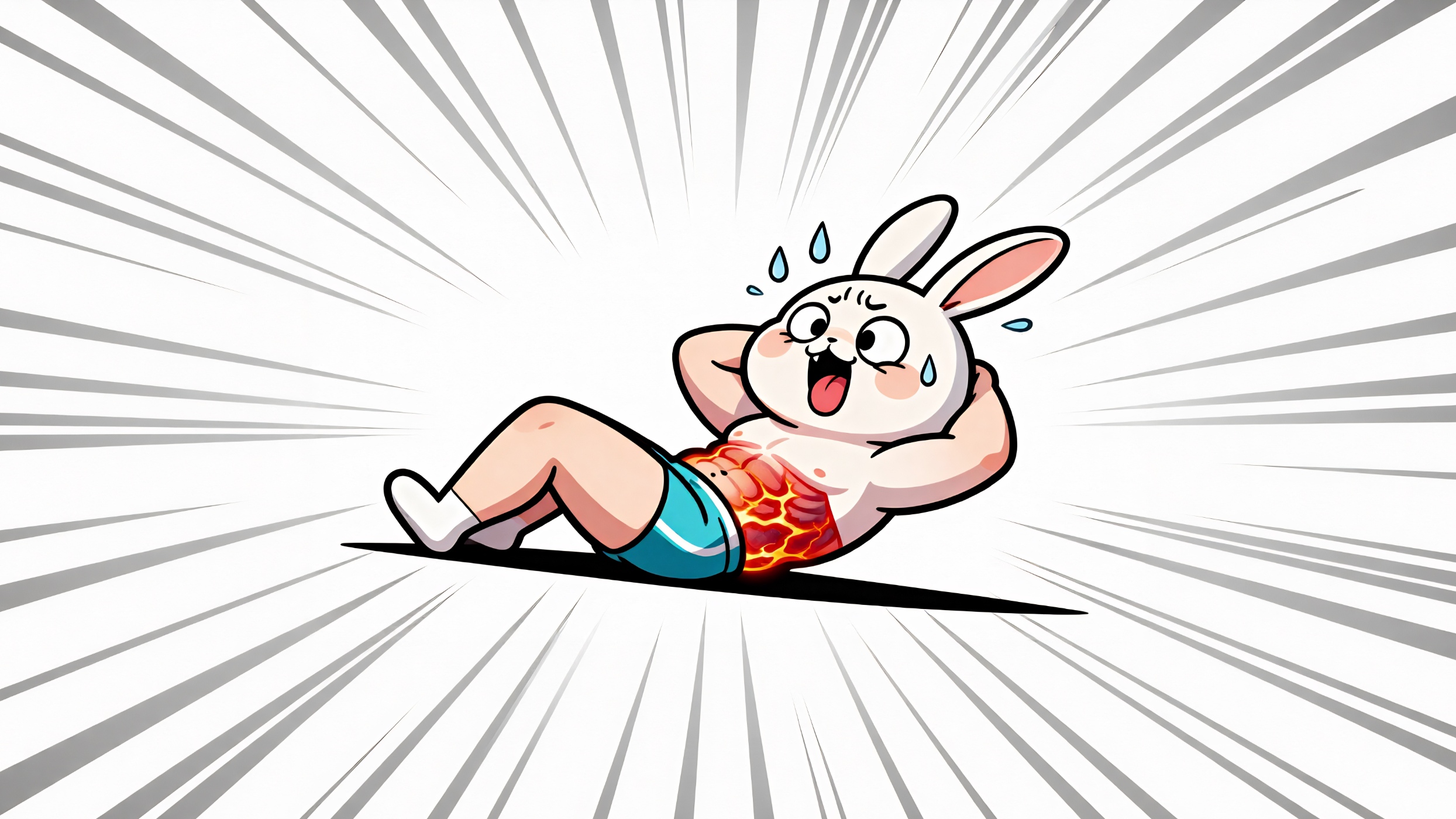
There are days when your midsection lights up like a volcano. Not because you swallowed a chilli, but because you asked your core to hold the line while you moved, lifted, twisted, and breathed. That heat is your reminder that these muscles are not a vanity project for summer. They are your body’s control room; always on duty, and surprisingly vocal when you challenge them. The aim here is to make that heat useful, not scary. If core work has felt mysterious or gimmicky, let’s make it clear, practical, and friendly so you can train with confidence.
The word core gets thrown around so much that it can mean anything from a six pack to a wobble board routine. In plain terms, your core is the set of muscles around your trunk and pelvis that stabilise your spine and help transfer force between your upper and lower body. When they do their job, everyday life feels steadier. Your back thanks you, your balance improves, and your movement has a quiet strength that carries over into everything from walking the dog to carrying shopping. If the core has ever felt like fitness jargon, think of it as your body’s relay station. Arms and legs generate motion; your core decides how cleanly that motion travels.
What we mean by core
The core is not just the front of your abs. It wraps around your torso like a natural weightlifting belt. At the front sits the rectus abdominis, the visible six pack muscle in very lean people. Deeper still is the transverse abdominis, a corset like muscle that cinches around the abdomen and supports spinal stability. Along the sides are your internal and external obliques, which help you rotate and resist rotation. Around the back you find the multifidus and erector spinae, which support extension and segment by segment control of the spine. Up top the diaphragm shapes pressure and breathing. Down below the pelvic floor supports organs and helps manage pressure as you move, exhale, cough, or laugh.
This team does not work alone. The glutes and hip flexors connect the pelvis to the legs; they are not strictly core muscles, yet they influence how the core behaves. Weak or tight hips can force your trunk to compensate, which is why good core training often includes hip work. It is tempting to reduce the core to a single exercise or one favourite plank; the real story is synergy. These muscles coordinate to create stiffness when you need it and fluidity when you want to move. A strong core is not a rigid plank all day long. It is a dynamic system that alternates between brace and breathe, hold and flow.
Meet the muscles: front, sides, back, and deep
At the front, the rectus abdominis flexes the spine; think controlled curl ups or the top part of a sit up. The transverse abdominis sits deeper and provides tension that helps brace the midsection without visible movement. Activating it is not about sucking your belly in. It is about gentle tension that firms the lower abdomen while you maintain easy breathing. The obliques form your diagonal sling. The external obliques run downward from ribs to pelvis; the internal obliques run upward from pelvis to ribs. Together they twist you, side bend you, and more importantly stop you from twisting or side bending when the task calls for a steady trunk.
On the back, the multifidus spans short segments of the spine and helps fine tune stability. The erector spinae are longer muscles that help extend and resist flexion. They are often overworked when the front and sides of the core are undertrained. The diaphragm and pelvic floor close the top and bottom of this cylinder. When you inhale, the diaphragm descends and the pelvic floor responds. When you exhale with a bit of tension, they lift together. That rhythm manages pressure, which is the quiet engine of spinal support. Add the glutes, which drive hip extension and keep the pelvis level, and you begin to see why a whole core approach outperforms any single muscle focus.
Why core strength matters for daily life and mental health
In daily life, your core sets the stage for everything. Reaching for a suitcase overhead requires your trunk to resist extension so your shoulders can work safely. Carrying a toddler on one hip demands anti lateral flexion so your spine does not collapse to the side. Turning to check your blind spot involves controlled rotation. Even standing at a desk benefits from a patient, low level endurance in these muscles so that posture is less of a strict position and more of a gentle sway around neutral. When the core is well trained, you spend less time fighting your body and more time doing what you want to do.
There is also a mental health angle. Core training invites breath awareness and body awareness, both supportive routes to a calmer nervous system. Slow exhales activate your rest and digest response. Feeling stable on your feet can lift confidence in crowded spaces, on stairs, or when carrying things. Many people notice that a short core session leaves them both physically steadier and mentally clearer. It is not magic; it is the centring effect of deliberate control and regular breathing. For anxious minds, focusing attention on tension and release can be a simple grounding practice. Small wins add up, and the feeling of competence in your own movement is a quiet boost to mood.
How the system works together
The core manages intra abdominal pressure. Imagine the trunk as a cylinder with a supportive lid and base. When you inhale, the diaphragm lowers and the belly may expand slightly. When you exhale and add a gentle brace, the abdominal wall firms while the diaphragm and pelvic floor rise together. That coordination stabilises the spine without you needing to over arch or round. Bracing is not clenching at maximum. It is a measured tension that matches the task. Carrying a light bag calls for less tension than lifting a heavy suitcase. The art is to scale your brace so that you stay strong without becoming stiff.
Another key piece is the relationship between rib cage and pelvis. If your ribs flare up and your pelvis tips forward, you create a big arch in the lower back that can make anti extension work harder than it needs to be. If your ribs collapse and your pelvis tucks under, you may rob your hips of range and force your back to move too much. A neutral zone, where ribs and pelvis face each other, gives you options. From there you can hinge at the hips, rotate through the thoracic spine, and let the core support rather than dominate. During walking and running, the trunk resists unwanted motion while allowing the right amount of rotation. During lifting, the trunk stiffens so that hips and shoulders can generate force safely.
Core movement patterns that cover your bases
Great core training is not a list of crunches. It is a handful of patterns that cover what the trunk needs to do in real life. Anti extension teaches you to resist your back being pulled into an arch; think planks and dead bugs. Anti rotation teaches you to resist twisting; think bird dogs and single arm reaches. Anti lateral flexion teaches you to resist side bending; think side planks. Controlled rotation trains you to twist with intention rather than flail about; think slow Russian twists or lying windscreen wipers. Flexion and extension have a place when performed with control and a neutral bias. Carries and hip integrated moves bring the whole body together so you learn to maintain trunk control while your limbs actually do something useful.
When you plan sessions around these patterns, you avoid blind spots. You also avoid the trap of chasing fatigue instead of skill. Feeling tired is not the same as getting better. The goal is a strong, coordinated trunk that supports movement. That means choosing exercises that ask you to hold position under changing conditions. Pause holds, slow eccentrics, and isometrics are tools for that. Over time you increase the challenge by changing leverage, increasing time under tension, or moving from both sides working to one side working. Each step requires more from the core while keeping the spine in its happy zone.
Bodyweight exercises that deliver
Below are bodyweight moves that cover the major patterns. For each one, there is a plain language setup, key cues, a regression if you need it gentler, and a progression when you are ready. For friendly video demonstrations, each exercise name links to Ace Fitness’ free library. All links open in a new tab.
Setup: Forearms on the floor, elbows under shoulders, legs long, feet hip width. Press the floor away so shoulder blades spread slightly. Gently tuck the pelvis until your lower ribs and pelvis face each other. Imagine drawing your front pockets slightly toward your ribs.
Cues: Quiet breath; do not hold it. Keep your body in a long straight line. You should feel your midsection working, not your lower back sagging.
Regression: High plank on hands; or drop to knees while keeping a straight line from head to knees.
Progression: March the feet without swaying; add shoulder taps in a high plank; or slow plank reach forward for a second then reset.
Side plank (anti lateral flexion)
Setup: Lie on your side, elbow under shoulder, legs stacked. Lift the hips so your body forms a straight line.
Cues: Keep the bottom hip lifted, chin tucked slightly, ribs stacked over pelvis.
Regression: Bend the bottom leg at 90 degrees and keep the knee on the floor while the top leg stays long.
Progression: Top leg raises; star plank with the top arm and leg lifted; or side plank with slow hip dips and lifts.
Dead bug (anti extension with limb movement)
Setup: Lie on your back with arms reaching to the ceiling and hips and knees at 90 degrees. Press your lower ribs gently toward the floor without smashing your back.
Cues: Exhale as you lower the opposite arm and leg toward the floor. Keep the abdomen flat and quiet, then return and switch sides.
Regression: Lower only the heel to tap the floor while keeping the knee bent; move just the arms until control is solid.
Progression: Hold a gentle foam block or rolled towel between your knees to increase tension; extend the leg fully to hover above the floor.
Bird dog (anti rotation and anti extension)
Setup: Hands under shoulders, knees under hips. Create a long spine from head to tail.
Cues: Reach opposite arm and leg long without letting your torso sway or your low back sink. Think of balancing a full cup of tea on your back.
Regression: Lift just the leg, or just the arm, keeping the trunk quiet.
Progression: Bring elbow to knee under your body with control then re extend; perform slow 3 second holds at full extension.
Hollow body hold (anti extension with leverage
Setup: Lie on your back, arms by your sides. Press your lower ribs gently toward the floor. Lift your head and shoulders a few centimetres and raise legs to a comfortable height.
Cues: You should feel your abdomen flatten and firm. The low back stays lightly in contact with the floor.
Regression: Keep knees bent into tabletop; lift only head and shoulders and one leg at a time.
Progression: Extend arms overhead and lower legs closer to the floor while maintaining control.
Glute bridge (hip integration with trunk control)
Setup: Lie on your back, knees bent, feet hip width.
Cues: Exhale and drive through your heels to lift hips until ribs and pelvis are in line. Do not over arch at the top.
Regression: Short bridges with a smaller range of motion.
Progression: March at the top without letting the hips drop; single leg bridge with the free leg held in tabletop.
Hip hinge drill (spine neutral awareness)
Setup: Stand tall with soft knees. Place hands on front of hips.
Cues: Push hips back as if closing a car door with your bum while your torso tilts forward as one piece. Keep a long spine and ribs over pelvis.
Regression: Practise against a wall; step a few inches away and lightly touch the wall with your hips.
Progression: Hands behind head hinge; single leg hinge hold for balance and anti rotation.
Mountain climbers (trunk endurance with rhythm)
Setup: High plank on hands, shoulders over wrists.
Cues: Draw one knee toward the chest without bouncing your hips. Move smoothly rather than sprinting.
Regression: Slow knee drives, pausing each rep.
Progression: Cross body knee to opposite elbow; add a 1 second pause with each knee under the hips.
Lying leg lower (anti extension with leverage)
Setup: Lie on your back, legs vertical. Press lower ribs gently toward the floor.
Cues: Lower one leg slowly until just before your low back wants to arch, then return and switch sides.
Regression: Bend knees at 90 degrees and tap heels; limit the lowering range.
Progression: Lower both legs together with a slow 3 second descent, then a smooth return.
Reverse crunch (controlled flexion)
Setup: Lie on your back, knees bent and feet off the floor, hips at 90 degrees.
Cues: Exhale and tilt the pelvis to bring knees toward chest without swinging. Think of curling the tailbone off the floor.
Regression: Small range reverse curl; feet lightly touch down between reps.
Progression: Straighten legs to 45 degrees between reps; add a 2 second pause at the top.
Technique essentials and common mistakes
Start with breathing. Try a gentle inhale through the nose that expands the ribs sideways and back. On the exhale through pursed lips, feel a natural firming of the lower abdomen without sucking in. That exhale can start your brace. You do not need to hold your breath unless you are performing a maximal lift, which you are not in bodyweight core work. Breathing through effort is a quiet superpower. When the breath rhythm flows, neck and shoulders relax and the trunk does its job without stealing the stage.
Next, find a neutral spine. Neutral is not one fixed angle. It is a small range where the curves of your spine are supported and comfortable. In supine exercises, you may gently press your ribs toward the floor to avoid flaring. In planks, imagine a slight zip between ribs and pelvis. Watch for two common errors. First, the sagging plank, where the lower back dips and the shoulders collapse. Fix it by pressing the floor away and tucking the pelvis a touch. Second, the over rounded curl, where you chase a burn by yanking your head forward. Fix it by keeping a soft chin tuck and initiating movement from the ribs and pelvis, not the neck.
Pacing matters. Speed hides wobbles; slow reveals them. The core thrives on slow eccentrics and intentional holds. Count three seconds on the way down in reverse crunches. Hold a side plank for breaths, not just seconds. In bird dogs, freeze the end position long enough to notice any sway, then correct. If you cannot do a move with control at a slower tempo, reduce the range or choose the gentler variation. Quality beats quantity. That is not a motivational poster; it is how your nervous system learns.
Programming the burn: sets, reps, and progressions
If you are new or returning, start with two to three core sessions per week, leaving at least a day between sessions for everything to settle. Choose three to five movements that cover different patterns. For example: plank, side plank, dead bug, glute bridge, and bird dog. Perform two sets of each for time or controlled reps. Thirty to forty five seconds per set works well for isometrics like planks. Eight to twelve slow reps suit controlled moves like reverse crunches. Rest as needed so each set is crisp.
As your technique improves, increase the difficulty by adjusting leverage and time under tension. For planks, reach or march to shift your base of support. For dead bugs and leg lowers, extend the limbs further while keeping the ribs quiet. For bird dogs, add a pause or a slow inward elbow to knee contact. As a simple rule, change only one variable at a time. If you extend the legs further, do not also double the time. Let your control lead the progression. If you feel it only in your lower back, scale back and re focus on breathing and ribs over pelvis.
For advanced trainees, three to four core sessions per week can fit well, often at the end of strength or cardio workouts. Alternate hard and easy days. On harder days, pair anti extension and anti rotation moves with loaded lower body or upper body sessions, using the core work as a focused finisher. On easier days, choose lower intensity holds and breathing practice to maintain sharpness without adding fatigue. Remember that sore is not the target. The target is stable, confident movement.
Sample no equipment routines
Here are three time based sessions that use bodyweight only. They are designed for all levels by offering regressions and progressions for each move. Rest as needed; the times are guides, not handcuffs. If you want a refresher, use the links in the exercise list above before you start.
10 minute beginner micro plan
- Warm up: 1 minute of easy marching in place and shoulder rolls.
- Circuit, twice through:
- Forearm plank 30 seconds. Regression: knees down. Progression: shoulder taps in high plank.
- Dead bug 8 slow reps each side. Regression: heel taps. Progression: full leg extension.
- Side plank 20 seconds each side. Regression: bottom knee down. Progression: top leg raise.
- Glute bridge 12 controlled reps with a 1 second pause at the top. Regression: smaller range. Progression: march at top for 6 total steps.
- Cooldown: 1 minute of slow nose breathing lying on your back, hands on ribs.
20 minute intermediate plan
- Warm up: 2 minutes of hip hinges against a wall, cat cow, and standing reach and rotate.
- Circuit, three rounds:
- High plank with slow marches 30 seconds.
- Bird dog with 2 second holds 8 reps each side.
- Lying leg lowers 10 total reps alternating sides.
- Side plank with hip dips 25 seconds each side.
- Hollow body hold 20 seconds; regression to tabletop if needed.
- Finisher: 60 seconds of glute bridge march, smooth and steady.
- Cooldown: 2 minutes of breathing, long exhales, and gentle supine twists.
30 minute advanced plan
- Warm up: 3 minutes including hip hinge, thoracic rotations, and plank walkouts.
- Circuit A, two rounds:
- Forearm plank reach 30 seconds.
- Dead bug with a squeezed towel between knees 8 reps each side.
- Side plank star 20 seconds each side.
- Circuit B, two rounds:
- Bird dog with elbow to knee 8 reps each side.
- Hollow body hold with arms overhead 25 seconds.
- Reverse crunch with 3 second eccentrics 10 reps.
- Optional capacity test: High plank max quality hold up to 60 seconds; stop if the back sags or breath breaks.
- Cooldown: 3 minutes of rib breathing and gentle hip flexor stretch; return to easy nose breathing.
Classes that put the core centre stage
Pilates mat classes are a classic core first choice. You can expect focused breathing, controlled movements, and a strong emphasis on spine and pelvis position. Movements like the hundred, roll up progressions, single leg stretch, and side lying series teach you to organise the trunk while the limbs move. Good mat classes scale movements up and down so mixed levels can work together. If you see a class that rushes through advanced shapes with little coaching, consider another option; quality cueing is the heart of Pilates.
Pilates reformer classes use a spring based machine that adds resistance and guidance. While we are focusing on bodyweight here, it is worth noting that reformer work can be superb for core training because the springs provide feedback and adjustable challenge. If you ever try a session, pay attention to how the instructor uses breath and alignment to help you find support rather than simply making the exercise harder. A well taught reformer class feels like learning a new language for your midsection.
Yoga flows can also build core control when taught with attention to detail. Movements like plank to downward dog, controlled chaturanga variations, standing balances, and twists ask the trunk to stabilise while you transition. Look for teachers who cue breath and rib cage position rather than asking you to push through shapes. If you struggle with wrist comfort in long plank holds, speak up. Gentle options such as forearm planks or fists on the mat can keep you moving without irritation.
Barre classes blend small range strength work with isometrics and posture cues that often target the trunk. Expect long holds, pulses, and a focus on hip alignment. A good instructor will remind you to keep ribs over pelvis and shoulders relaxed. Dedicated core classes at gyms can be excellent; they can also be a race of crunches and bicycle sprints. Choose sessions that include anti extension, anti rotation, and side work alongside any flexion. Red flags include speed over control, constant neck strain, and no coaching on breath.
Safety, modifications, and special cases
Back pain history: If your lower back is sensitive, choose anti extension and anti rotation moves that keep the spine neutral. Planks on knees, dead bugs with heel taps, and bird dogs with short reaches are often well tolerated. Avoid end range flexion work until your symptoms are quiet. Focus on slow breathing and short, crisp sets. If pain travels down the leg, tingles, or feels sharp, stop the move and try a gentler option. Seek individual guidance if symptoms persist.
Hernia history: Managing intra abdominal pressure is key. Avoid holding your breath and avoid high strain moves that require bracing beyond a gentle effort. Choose shorter sets with relaxed breathing. If you feel bulging or discomfort, reduce the difficulty and consult a clinician for tailored advice before progressing.
Pregnancy and postpartum: During pregnancy, the goal is comfort, breath, and postural support. Swap planks for hands elevated versions or side planks with the bottom knee down. Emphasise gentle exhales and avoid moves that cause doming along the midline. Postpartum, introduce deep core and pelvic floor work gradually. Start with breath, pelvic floor engagement, and dead bug style patterns with small ranges. Diastasis recti is a natural part of pregnancy and often recovers well with time and graded training. The key is to avoid sustained straining and choose movements that let the abdomen flatten rather than bulge under tension.
Hypermobility: People with very flexible joints benefit from building isometric strength and slow control. Favour holds like planks and side planks with short ranges over long, end range stretching. Keep ribs stacked over pelvis and avoid hanging into joints. Tempo is your friend; pauses teach your nervous system to find mid range support.
Older adults: The core loves consistency at any age. Choose low strain options like dead bugs, glute bridges, bird dogs, and supported side planks. Keep sets short and frequent. Focus on balance too; single leg hinge holds against a wall are brilliant anti rotation and balance training in one. Breathing work pays off here; longer exhales can calm the system and improve coordination.
General red flags: Sharp pain, tingling, or numbness are stop signs. So is breath holding that makes you dizzy, or neck strain that overshadows the trunk. Modify by reducing range, shortening time, or switching to a regression. Quality trumps quantity; if form fades, the set is over. That rule is kindness in action, not weakness.
What we mean by core in daily tasks
It helps to picture the core at work in everyday movements. When you pick up a bag from the floor with a hip hinge, you keep your spine neutral while your hips do the heavy lifting. Your core provides a steady base for that hinge. When you climb stairs carrying something, your trunk resists rotation so you do not wobble with each step. When you reach overhead to place a box on a shelf, the front and back of your core balance extension forces so your lower back does not do all the work. The more you practise anti extension, anti rotation, and side stability in training, the more these tasks feel effortless.
Walking and running add a rhythmic twist and counter rotation between arms and legs. A well trained core allows your thoracic spine to rotate just enough while your pelvis stays stable. Bird dogs, marching bridges, and slow standing hinge holds all teach that harmony. Even desk work improves when you own a comfortable neutral and the habit of brief movement breaks. A minute of rib breathing and two sets of 20 second planks can reset your posture far better than a late night crunch session.
Myths to ditch
Myth one: Crunches alone will sculpt your core. Crunches are one tool, but they do not cover the big patterns that protect your back and improve performance. Done fast with poor form, they turn into a neck workout. Include them only as part of a balanced plan and make them slow and controlled.
Myth two: Spot reduction exists. You cannot burn fat from one area by training that area. Body composition changes come from overall activity, nutrition, sleep, and stress management. Core work builds strength and endurance; it does not vacuum seal your waist. The good news is that stronger cores often make bigger training loads possible elsewhere, which supports broader fitness goals.
Myth three: Pain equals progress. A healthy core session may produce fatigue and a warm burn, but it should not create joint pain or lingering discomfort. Chasing soreness can pull you away from the technique that makes the core function well. Aim for sessions that leave you feeling taller and more stable, not broken. If an exercise routinely causes pain, change the variation or swap it out.
Myth four: Core work is only for athletes. Everyone benefits from trunk stability and control. If you have a spine and you move, you have a core worth training. The goal is not a plank time record. It is a set of skills that keeps you steady so you can enjoy life.
Technique tune up: breathing and bracing in action
Here is a simple sequence you can use before any core session. Lie on your back with knees bent. Place one hand on your lower ribs and one hand below your navel. Inhale through the nose, feel the ribs widen into your hands. Exhale through pursed lips for 4 to 6 seconds; feel the lower abdomen firm under your hand. Repeat for five breaths. Then roll to your side and perform a 20 second side plank with bottom knee down, keeping that breathing pattern. Finally, move to a forearm plank for 20 to 30 seconds, still breathing. Finish with a set of dead bugs, exhaling on each reach. You have just created pressure, organised ribs and pelvis, and taught the core to work while you breathe. This is the heart of effective training.
If you are a detail lover, track your plank quality by filming a short set from the side once a month. Look for a straight line from ear to ankle, no sag at the low back, and a steady head position. Small improvements in alignment often make a larger difference than chasing longer times. Note your findings and carry on. Your spine will notice.
Choosing and using a friendly exercise library
Since we are not showing images here, a trustworthy video library is useful. Ace Fitness is a clean, approachable option with straightforward technique demonstrations. Before a session, type the exercise names into its search bar and watch a clip to refresh your cues. Look for the same ideas repeated: ribs over pelvis, quiet breathing, control over speed. If a variation shown feels too advanced, choose the regression described earlier and revisit the harder version later. Consistency beats novelty. A handful of well chosen moves practised weekly will do more for you than a new trick every day.
If you are coaching others or writing your own training notes, consider keeping a small list of go to Ace Fitness videos for each pattern. For example: plank and hollow hold for anti extension; side plank for anti lateral flexion; bird dog for anti rotation; reverse crunch for flexion control; glute bridge and hinge drill for hip integration. Keep the list short and friendly so it feels like a tool, not homework.
Putting it together for your week
To build a week around core work without it swallowing everything else, choose two to four short sessions that slot into your routine. Here is a template.
- If you strength train three days a week, add 10 minutes of core at the end of two sessions. Pick different patterns each day.
- If you mostly walk or run, add one 20 minute core session on an easy day and a 10 minute micro session after a run.
- If you are just starting, choose the 10 minute micro plan three times per week on non consecutive days and enjoy the small, steady wins.
Progress every two to three weeks by extending a hold by 5 to 10 seconds, adding one rep to each set, or moving to the next progression for one exercise only. Keep notes. They do not need to be fancy. A date and a simple line like: plank 30 seconds knees down; dead bug 8 each with heel taps; side plank 20 seconds bottom knee down. Over time, you will see the numbers creep upward and the variations become more confident. That record builds belief as much as strength.
A quick word on posture and everyday habits
Posture is a moving conversation, not a frozen statue. The goal is not to hold one ideal position all day; it is to keep your trunk comfortable while you shift around neutral. Set reminders to stand up, hinge, and breathe every hour if you sit for long periods. Use the hip hinge to pick things up instead of rounding your spine. Carry heavy items close to your body and split the load between both hands when possible. When you do carry on one side, think side plank posture in motion. Your core will recognise the pattern and keep you level.
Sleep and stress also influence how your core feels. Poor sleep reduces coordination and increases sensitivity; hard sessions might feel harder than they should. On those days, choose gentler variations and focus on breathing. Short, regular practice beats heroics. If your head feels busy, a five minute breathing and plank routine can settle it.
Troubleshooting common sticking points
Neck fatigue in planks or hollow holds often comes from reaching the head forward. Try a soft double chin and imagine lengthening the back of your neck. If the issue persists, reduce the hold time and build back slowly while keeping the head position quiet.
Lower back discomfort during leg lowers usually means the range is too big for your current control. Reduce the range so your low back stays gently in contact with the floor and your ribs do not flare. You should feel the front of your trunk working, not your spine protesting.
Shoulder pressure in high planks can respond well to forearm planks, hand position slightly wider than shoulders, or squeezing the floor away to spread the shoulder blades gently. Wrist discomfort often eases when you make fists or use a small folded towel under the heel of the hand to change the angle.
Hip flexor dominance in hanging leg raise style work is common. Since we are staying with bodyweight on the floor, use reverse crunches and bent knee versions first. Focus on initiating from the pelvis rather than lifting the legs as a lever. Over time, as your deep core strength improves, straighter leg variations will feel more balanced.
Progressing without equipment
Bodyweight offers rich progressions. You can change leverage by moving limbs further from your centre, reduce your base of support by lifting a hand or foot, add pauses at the hardest point, or increase the total time under tension. For example, a plank can progress to a plank with reach, then to a slow body saw motion where you rock forward and back a few centimetres while keeping ribs and pelvis aligned. A side plank can add a top leg raise, then a star plank, then a slow thread the needle rotation under the body and back up.
You can also play with density. Set a timer for five minutes and cycle between two moves, such as side plank and dead bug, with short rests. Keep the quality high. Each breath is part of the work. Remember that variety does not mean chaos. Rotate through a small library of reliable moves, test new progressions occasionally, and return to the basics often. Mastery is repetition with attention.
When and how to add equipment later
While most great core training does not need machines, a few simple tools can be helpful down the line. A yoga mat cushions your forearms and knees. A small foam block or rolled towel lets you create gentle squeeze tension between the knees in dead bugs or bridges. Light resistance bands add reach challenges to planks or anti rotation patterns. If you are curious about the Pilates reformer, think of it as a way to refine control with guided resistance. Try a beginner session with a well reviewed instructor and carry over what you learn to your home practice.
Medicine balls, ab wheels, and hanging bars can come later if you enjoy them. They are not mandatory. The goal is transferable strength, not gadget mastery. If a tool helps you feel and control the patterns better, it earns its place. If it confuses your form, set it aside and return to the floor.
Recovery and the day after
A good core session may leave you feeling worked but not wrecked. The day after, you might notice a gentle ache around the ribs and lower abdomen. That is fine. Sharp pain or pulling near the groin or lower back is not. Sip water, walk, and do a few rounds of rib breathing. If you feel tight, perform 2 or 3 easy sets of bird dogs and bridges to encourage blood flow. Recovery is where the adaptation happens. Regular sleep, steady nutrition, and a calm nervous system make your training show up in your life.
If you are tempted to test yourself with ever longer plank holds, consider a different metric: quality under movement. A 30 second plank with solid shoulder position and quiet breathing, followed by 8 crisp dead bugs each side, will serve you better than a 3 minute grind. Skill over volume is a habit worth keeping.
Confidence through competence
Core training is a practice. You build trust in your body by showing up, paying attention, and progressing patiently. The more often you feel your ribs and pelvis align, the easier it becomes to find that support in daily tasks. The more often you exhale and feel gentle abdominal tension, the less likely you are to brace with your throat or shoulders. Over time, that feeling of quiet strength shows up in your mood. You stand a bit taller. You move with less noise. You start to believe that your body can respond well when life adds a little chaos. That confidence is a worthy prize.
Key takeaways
- Your core is the team of muscles around your trunk and pelvis that stabilise your spine and transfer force. It includes the rectus abdominis, transverse abdominis, internal and external obliques, multifidus, erector spinae, diaphragm, and pelvic floor, with support from the hips and glutes.
- Effective training uses patterns: anti extension, anti rotation, anti lateral flexion, controlled rotation, and considered flexion and extension.
- Bodyweight is enough. Linked moves above cover your bases with regressions and progressions for all levels: Planks, Side planks, Dead bugs and hollow holds, Bridges, Hip hinge drills, Mountain climbers, Leg lowers, and Reverse crunches.
- Breathe and brace. Use gentle exhales to create tension without clenching. Keep ribs over pelvis and choose quality over speed.
- Programme two to three times per week to start. Use short, focused sets and progress one variable at a time.
- Classes that shine for core: Pilates mat and reformer, carefully cued yoga flows, barre, and well coached dedicated core classes. Choose sessions that emphasise control, breathing, and balanced patterns.
- Safety first. Modify for back pain, hernia history, pregnancy and postpartum, diastasis recti, hypermobility, and older adults. Stop for sharp pain or symptoms that travel, and seek tailored advice if needed.
- Consistency beats novelty. A small set of reliable moves practised weekly will build a core that supports your life. The burn will feel less like lava and more like a warm glow of control.
If your midsection starts to complain mid plank, tell it the floor is lava and you are winning. Then breathe out, find your ribs over your pelvis, and carry on.