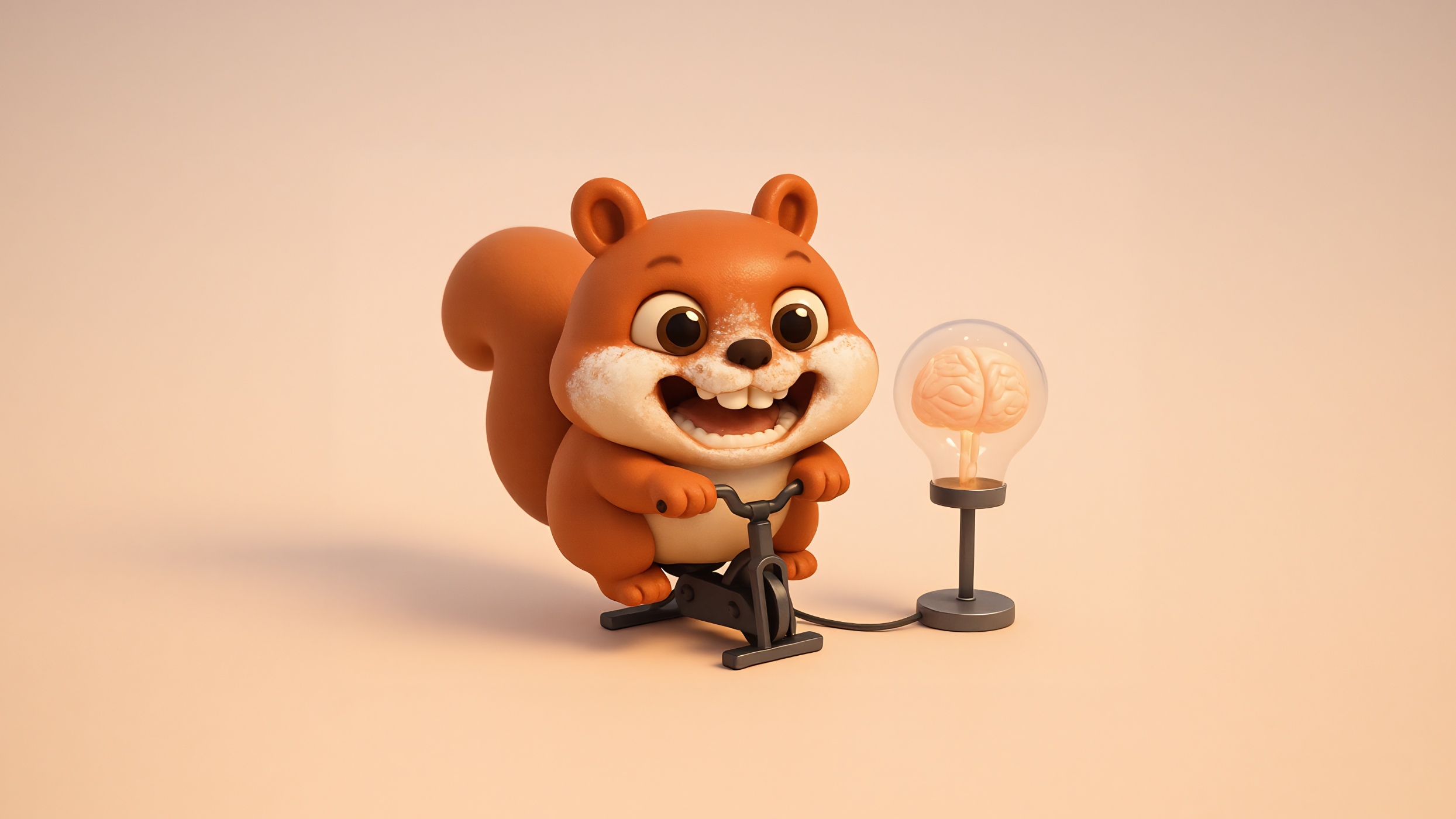
Creatine has long been the darling of gym-goers everywhere. It’s the white powdery supplement that promises to help you lift heavier, sprint faster, and recover quicker. But what if creatine’s most fascinating benefits have little to do with your muscles at all? What if the real magic happens between your ears, not your biceps?
Recent scientific research is starting to paint a surprising picture: creatine might have a quiet but powerful influence on how our brains work and how we feel. From memory and focus to mood and resilience against depression, creatine could be doing a lot more than most of us realise. And don’t worry, we’ll leave the heavy lifting talk to this guide on the physical benefits of creatine. This piece is all about what creatine means for your mind.
Creatine Isn’t Just for Muscles: Here’s What It Might Do for Your Brain
Most people associate creatine with muscle power, not mental power. It’s been the go-to supplement for athletes since the 1990s, helping the body quickly recycle energy during short bursts of activity. But your brain, as it turns out, runs on the same energy system.
Think of creatine as your brain’s emergency power bank. When your neurons are firing like mad (during an exam, a stressful day, or a late-night work sprint) they need a rapid source of fuel. That’s where creatine steps in, helping to recharge adenosine triphosphate (ATP), the molecule that keeps all cells humming along.
So, while creatine might bulk up your gym performance, it may also help your mental performance stay steady when life gets demanding. Turns out creatine might not just flex your biceps, but your brain cells too.
What Creatine Is and How It Works in the Brain
The basics. ATP, phosphocreatine, and brain energy
Let’s get briefly technical. ATP is your body’s universal energy currency. Every thought, heartbeat, or muscle twitch depends on it. The brain, although it weighs only about 2% of your body, uses around 20% of your total energy. It’s like a smartphone that constantly needs charging.
Creatine exists in two forms inside your cells: creatine and phosphocreatine. When your brain cells run low on ATP, phosphocreatine donates a phosphate molecule to make more ATP, keeping energy flowing smoothly. It’s a rapid recycling process; a biological power boost when the brain’s energy demand spikes.
Why the brain needs a steady energy backup plan
During moments of high cognitive demand, like solving problems or dealing with emotional stress, the brain burns through ATP quickly. If this supply can’t keep up, neurons get tired, cognitive function dips, and mood regulation can falter. This is where creatine’s buffering capacity becomes crucial.
In simple terms: more creatine means your brain can maintain its energy balance for longer. This might be why studies show that supplementing creatine can improve mental clarity, reduce fatigue, and even support emotional wellbeing in certain people.
Creatine and Cognition: What the Research Says So Far
Memory, reaction time, and mental fatigue
Several studies have explored how creatine affects cognitive performance. One of the most consistent findings is its ability to reduce mental fatigue. For example, people asked to perform mentally challenging tasks for long periods showed improved performance and felt less exhausted after supplementing with creatine.
In one well-known study, vegetarians, who naturally have lower creatine levels because they don’t consume it from meat, experienced significant improvements in working memory and intelligence tests after taking creatine supplements for a few weeks. That’s not to say creatine makes you smarter overnight, but it does seem to help your brain work more efficiently when it’s under strain.
Creatine’s benefits appear to shine brightest when your brain is challenged: think sleep deprivation, heavy studying, or multitasking under stress. It might not make a huge difference when you’re already well-rested and calm, but it’s the brain’s equivalent of having a fully charged spare battery for emergencies.
Why results vary across studies
The research isn’t all perfectly aligned, though. Some studies show dramatic improvements, while others find little to no effect. Several factors might explain this inconsistency: the dose, the duration, and even diet. People who already have higher baseline creatine levels (from eating meat and fish) might not notice much change from supplements, while vegetarians or those under higher cognitive stress might see bigger benefits.
The takeaway? Creatine’s effects on cognition are promising but not universal. It’s likely most helpful when the brain’s energy balance is pushed to its limits.
Creatine and Mood: Could It Help with Depression or Anxiety?
Early findings on depression and creatine supplementation
One of the most intriguing areas of research is creatine’s potential role in mood disorders, particularly depression. Several small clinical studies have shown that creatine may enhance the effects of antidepressants in people with major depressive disorder. Participants who took creatine alongside standard medication often reported quicker and greater symptom relief compared to those on medication alone.
While this research is still young, it suggests that creatine might help stabilise mood by improving energy metabolism in brain regions involved in emotional regulation, such as the prefrontal cortex. This region can be metabolically sluggish in people with depression, so creatine’s energy-boosting role could offer some support.
The link between brain energy and emotional regulation
Our moods are deeply tied to how efficiently the brain manages energy. When the brain struggles to maintain adequate ATP levels, neurotransmitter balance can shift, affecting how we process emotions and stress. Some researchers propose that energy deficits in brain cells could be one of the hidden contributors to low mood and mental fatigue.
By supporting more stable energy production, creatine might help neurons communicate more effectively and maintain healthier levels of neurotransmitters like serotonin and dopamine: two key players in mood regulation. It’s not a substitute for therapy or medication, but it could become a useful tool in the broader mental-health toolkit.
How Creatine Might Influence Your Mood and Mind (The Science-y Bit)
Mitochondria, neurotransmitters, and neuroprotection
Mitochondria (the cell’s power plants) rely on creatine to buffer their energy output. This relationship helps protect neurons from energy stress and oxidative damage. In animal studies, creatine supplementation has even been shown to reduce markers of neurodegeneration and support neuronal survival under pressure.
Creatine also interacts indirectly with neurotransmitter systems. There’s early evidence suggesting it may modulate serotonin and dopamine activity, which could explain its potential mood-lifting effects. These neurotransmitters are often disrupted in depression and anxiety, so improving the brain’s ability to regulate them through better energy balance might help keep emotional stability intact.
Stress, sleep, and mental fatigue
Creatine might also help your brain cope with stress and lack of sleep; two states that sap mental performance faster than a phone on 1% battery. Some studies show that creatine supplementation can improve reaction times and reduce the sense of fatigue after sleep deprivation, likely because it prevents the brain’s energy stores from crashing too quickly.
Interestingly, soldiers, students, and shift workers (groups famous for lack of rest) have all shown modest mental-performance benefits when taking creatine. It’s not quite a replacement for sleep, but it could make those bleary-eyed mornings a little more bearable.
Who Might Benefit Most (and Who Might Not)
Vegetarians, vegans, and those low in dietary creatine
Creatine is found naturally in meat and fish, so vegetarians and vegans tend to have lower levels of it in their muscles and brains. Supplementing can therefore lead to more pronounced improvements in this group. Studies consistently show that vegetarians experience stronger cognitive and mood benefits from creatine than omnivores do.
Older adults, sleep-deprived individuals, and those under high cognitive load
Creatine supplementation also shows promise for older adults, whose brain energy metabolism naturally declines with age. Some studies suggest it can support memory and reduce mental fatigue in ageing populations. Similarly, people experiencing chronic stress, burnout, or high cognitive workloads might benefit from a bit of extra brain fuel.
When creatine might not make a difference
For healthy, well-rested individuals with balanced diets, creatine may not create a noticeable shift in mood or focus. It’s not a magic mental booster, and its effects are often subtle. Think of it as fine-tuning your brain’s performance rather than overclocking it.
What We Still Don’t Know (and Possible Risks)
Limitations of current research
Most studies exploring creatine’s mental effects are relatively small and short-term. We don’t yet know how sustained supplementation affects the brain over many years, or whether certain individuals might experience greater long-term benefits than others. More large-scale research is needed before we can confidently recommend creatine as a mainstream mental-health supplement.
Side effects and safety
The good news is that creatine has one of the safest profiles of any supplement on the market. It’s been extensively studied in athletes and clinical populations alike. Common side effects include mild water retention or bloating, usually at higher doses. The standard dose of 3-5 grams per day is well-tolerated by most people, and no consistent evidence suggests it harms kidney or liver function in healthy individuals.
As always, if you have a medical condition or are taking medication, it’s best to check with a healthcare professional before starting any supplement.
How This Ties Back to Your Physical Performance
Here’s where the body: mind connection comes full circle. The same biological system that helps your muscles regenerate energy also fuels your neurons. When you support one, you’re indirectly supporting the other.
If you’re curious about how creatine helps with physical performance (from energy output to recovery) I’ve covered that in detail in this guide on creatine benefits, dosage, and safety. Together, these two perspectives show how creatine sits at the crossroads of body and brain health. It’s not just for the gym; it’s for life.
Key Takeaways: Creatine for Body and Mind
- Creatine isn’t just for muscles. It’s also a key player in brain energy metabolism, helping your neurons stay fuelled under pressure.
- Early research suggests mental benefits. Supplementation may support memory, focus, and mood; especially under stress, fatigue, or in low-creatine diets.
- Mood support looks promising. Creatine might enhance antidepressant treatment and stabilise brain energy systems involved in emotional regulation.
- It’s safe and simple. At recommended doses, creatine is well-tolerated and backed by years of research.
- Not a miracle cure. The science is exciting but still evolving: think of creatine as a potential supporting act in mental wellness, not the headliner.
Creatine will not replace therapy, sleep, or self-care, but it could quietly help your brain stay energised and resilient when life gets heavy. The more we learn about this humble molecule, the clearer it becomes that supporting the mind and body isn’t about choosing one over the other; it’s about fuelling both.