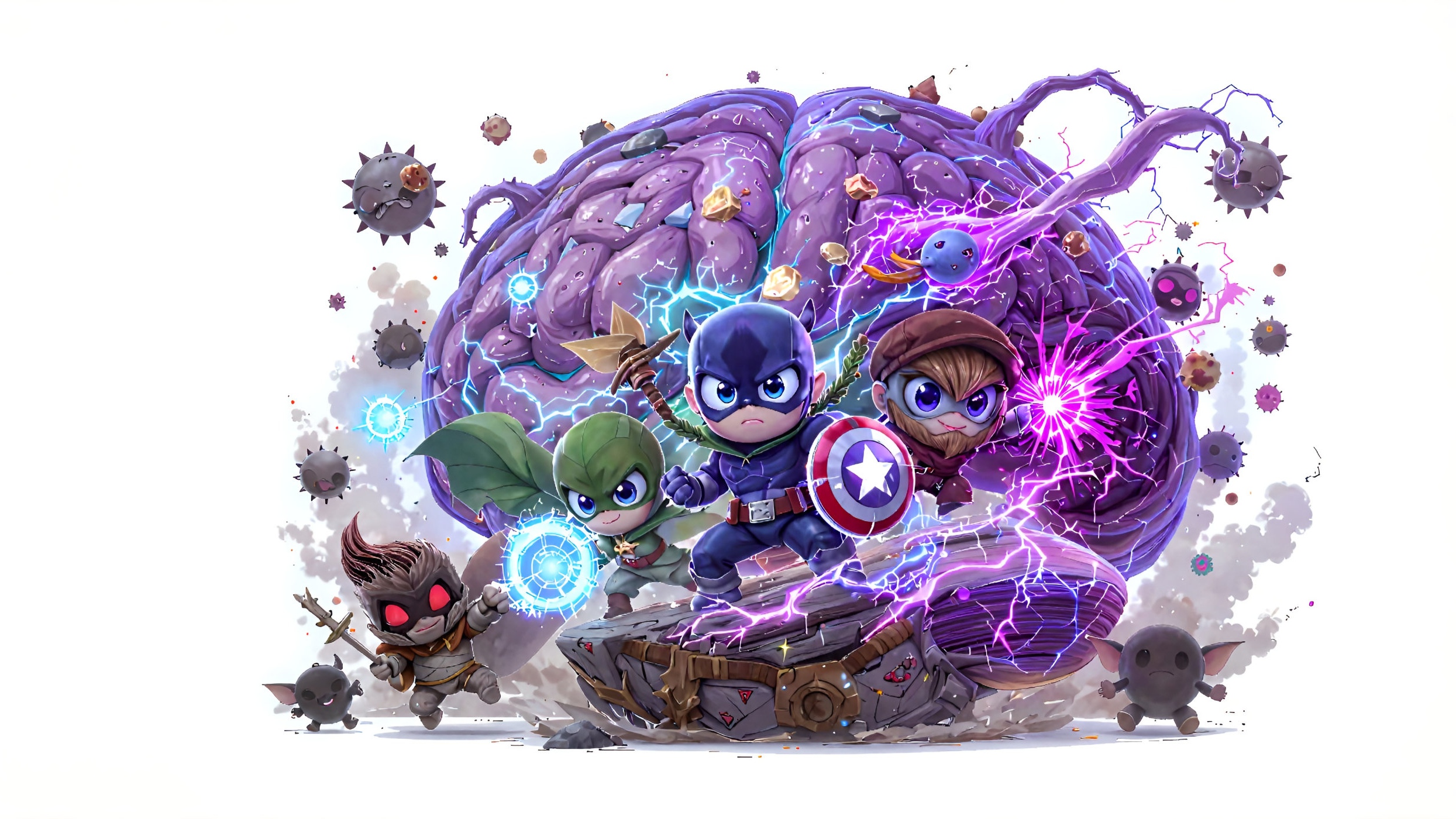
Have you ever felt like your brain is running on dial-up in a 5G world? That feeling of being mentally fuzzy, unable to focus, and struggling to recall simple things is often called "brain fog." It's not a medical diagnosis, but it's a very real and frustrating experience for many. While there are numerous potential causes for this mental haze, from lack of sleep to stress, there's a microscopic battle happening within our bodies that plays a significant role: the clash between free radicals and antioxidants.
Think of your brain as a bustling city that never sleeps. It's constantly firing signals, processing information, and keeping the whole "you" show on the road. All this activity creates byproducts, much like a busy city produces exhaust fumes. These byproducts are known as free radicals. When they're left unchecked, they can cause a kind of "biological rust" in our brains, leading to inflammation and damage that can manifest as brain fog. But don't despair! Our bodies have a built-in defence force: antioxidants.
What Exactly Are Free Radicals?
Imagine an apple slice left out on the counter. After a while, it starts to turn brown. This browning process is a visible example of oxidation, and it's caused by free radicals. In our bodies, free radicals are unstable molecules that are missing an electron. Because they're incomplete, they desperately want to become stable again, so they go on a rampage, stealing electrons from other, healthy cells. This act of theft damages the cells they target, setting off a chain reaction that can harm everything from our DNA to the delicate structures within our brains.
This process is a natural part of life. In fact, our bodies even produce free radicals for a reason. They're a bit like a double-edged sword. For instance, our immune system uses them to fight off bacteria and viruses. The problem arises when the number of free radicals overwhelms our body's ability to neutralise them. This imbalance is what scientists call "oxidative stress." It's this state of chronic oxidative stress that is linked to a host of health issues, including the cognitive sluggishness we know as brain fog. When our brain cells are constantly under attack, their ability to communicate effectively with each other is impaired, making it harder to think clearly and focus.
Where Do Free Radicals Come From?
Understanding where these molecular menaces originate is the first step in getting the upper hand. While some free radical production is unavoidable, many sources are well within our control. They come from both internal processes that are a part of everyday life and external factors, particularly the foods we eat and our environment.
By becoming more aware of these sources, we can start to make small but impactful changes to reduce our free radical load. It's not about achieving a "zero free radical" state, which is impossible and not even desirable. Instead, the goal is to bring the system back into balance, giving our bodies a fighting chance to clear the mental cobwebs and function at their best.
Everyday Internal Sources
It might be surprising to learn that many of our body's most essential functions naturally produce free radicals. Think of metabolism, the process of converting food into energy. This is a bit like a power plant generating electricity. It's a vital process, but it also creates pollution in the form of free radicals. The more energy you burn, the more of these byproducts you create. This is why even something as healthy as exercise can temporarily increase free radical production.
Another internal source is inflammation. When you get a cut or an infection, your body mounts an inflammatory response to heal the area. This is a good thing, but when inflammation becomes chronic due to stress, poor diet, or other lifestyle factors, it leads to a steady stream of free radicals that can contribute to that feeling of being mentally "stuck." Even psychological stress can trigger a physiological response that ramps up the production of these damaging molecules, creating a vicious cycle where stress fogs the brain, and brain fog causes more stress.
Common Foods that Promote Free Radicals
While our bodies have their own ways of making free radicals, our diet can either help to quell the fire or pour gasoline on it. Certain foods, particularly those that are highly processed or cooked at very high temperatures, can be major contributors to oxidative stress. It's important to approach this topic without judgment. Life is all about balance, and enjoying these foods occasionally is perfectly fine. However, if they make up a significant portion of your diet, they could be a contributing factor to why your brain feels less than sharp.
Think of it this way: you wouldn't put low-grade fuel in a high-performance car and expect it to run smoothly. Your brain is the most high-performance engine you'll ever own, and it deserves premium fuel. By being mindful of the foods that can increase the free radical load, you can make more informed choices that support your cognitive health. Here are a few foods to be mindful of:
- **Deep-fried foods (processed vegetable oils): **When industrial seed oils like canola, soy, or corn oil are heated to high temperatures, they can oxidise and become a direct source of free radicals.
- Charred or grilled meats: That delicious-looking char on your steak or burger can contain compounds that promote oxidative stress.
- Processed meats (sausages, bacon): These often contain preservatives that can lead to the formation of free radicals in the body.
- Refined sugars and high-fructose corn syrup: High sugar intake can lead to inflammation and a spike in free radical production, which is a double whammy for your brain.
- Excessive alcohol: While a little can be fine, excessive alcohol consumption is a well-known cause of oxidative stress, directly impacting brain function.
How Free Radicals Affect Your Brain
Our brains are particularly susceptible to the damage caused by free radicals. Why? For starters, the brain is an energy hog. Despite making up only about 2% of our body weight, it consumes around 20% of our body's oxygen and energy. This high metabolic rate means it's a hotbed for free radical production. It's like a factory that's running 24/7, and with all that production comes a lot of industrial waste.
Furthermore, the brain is incredibly rich in fat. The cell membranes of our brain cells (neurones) are made up of fatty acids, which are highly vulnerable to attack by free radicals. When these cell membranes are damaged, it disrupts the communication between neurones. This is where brain fog really starts to set in. Imagine trying to have a conversation on a phone with a bad connection. The messages get garbled, delayed, or lost entirely. That's what's happening in your brain when oxidative stress takes hold. This cellular damage can impair your ability to focus, make it harder to learn new things, and slow down your memory recall.
Meet the Heroes: What Are Antioxidants?
If free radicals are the villains of our story, then antioxidants are the superheroes. These are molecules that can safely donate an electron to a rampaging free radical without becoming unstable themselves. They are essentially the peacekeepers of our cellular world, neutralising the threat before it can cause widespread damage. When an antioxidant donates its electron, it stops the chain reaction of cellular damage in its tracks. Our bodies produce some of their own antioxidants, such as the powerful glutathione, often called the "master antioxidant." However, the majority of our antioxidant defence force comes from the food we eat. This is where diet becomes so incredibly important for brain health. A diet rich in a diverse range of antioxidants provides your body with the reinforcements it needs to keep oxidative stress in check. It's not about one single "superfood," but rather a team effort from a variety of colourful fruits, vegetables, and other whole foods.
Your Action Plan: Fighting Free Radicals with Diet
While it's impossible to eliminate free radicals completely, you have a tremendous amount of power to bring your body back into balance. The most effective way to do this is by reducing your exposure to the things that create them and, at the same time, flooding your system with the antioxidants it needs to neutralise them. Your diet is your number one tool in this fight.
Think of it as building an army. You want to recruit a diverse and powerful force of antioxidant soldiers to protect your brain. The more varied your recruits, the better equipped you'll be to handle different types of free radical threats. This isn't about a restrictive or complicated diet; it's about adding more of the good stuff in. By focusing on whole, unprocessed foods that are bursting with colour and nutrients, you can build a formidable defence against oxidative stress and start to lift the mental fog.
Diet - Eat an Army of Antioxidants
The best way to build your internal army is by eating a rainbow of plant foods. The vibrant colours in fruits and vegetables are actually the pigments of various antioxidant compounds. For example, the deep blue in blueberries comes from anthocyanins, and the bright orange in sweet potatoes comes from beta-carotene. Each colour represents a different class of antioxidant with unique strengths. By eating a wide variety, you ensure your brain has a comprehensive defence system.
This approach is not about perfection; it's about progress. Start by adding one or two new antioxidant-rich foods to your meals each week. Maybe it's a handful of spinach in your morning smoothie or a side of steamed broccoli with dinner. These small changes can add up to a significant increase in your antioxidant intake over time, providing your brain with the protection it needs to stay sharp and clear.
Top Antioxidant-Rich Foods for Your Brain
- Berries: Blueberries, strawberries, and raspberries are often called "brain berries" for a good reason. They are packed with powerful antioxidants called flavonoids, which have been shown to support memory and learning.
- Dark Leafy Greens: Spinach and kale are nutritional powerhouses, loaded with antioxidants like lutein and zeaxanthin, which are known to protect the brain from cellular damage.
- Nuts and Seeds: Walnuts, pecans, and sunflower seeds are excellent sources of the antioxidant vitamin E, which is particularly protective for the fatty membranes of our brain cells.
- Vibrant Veggies: Bell peppers (especially the red and orange ones), broccoli, and sweet potatoes are bursting with vitamin C and other antioxidants that help to fight inflammation in the brain.
- Bonus Brain Foods: Dark chocolate with a high cacao content (70% or more) is rich in flavanols that can support brain function. Green tea is another fantastic source, containing catechins that have protective effects on our neurones.
Key Takeaways
Feeling mentally foggy can be incredibly disheartening, but understanding the role of free radicals and antioxidants gives us a clear path forward. The battle for mental clarity is happening at a cellular level, and you have the power to influence the outcome. It's not about a quick fix, but rather a long-term strategy of supporting your body's natural defence systems.
By being mindful of the sources of free radicals in your diet and lifestyle, you can reduce the burden on your body. More importantly, by intentionally eating an "army of antioxidants," you can equip your brain with the tools it needs to fight back against oxidative stress. Every colourful fruit, vibrant vegetable, and crunchy nut you eat is a step towards a clearer, sharper, and more resilient mind. The journey out of the fog begins one bite at a time.